Last updated November 22, 2026
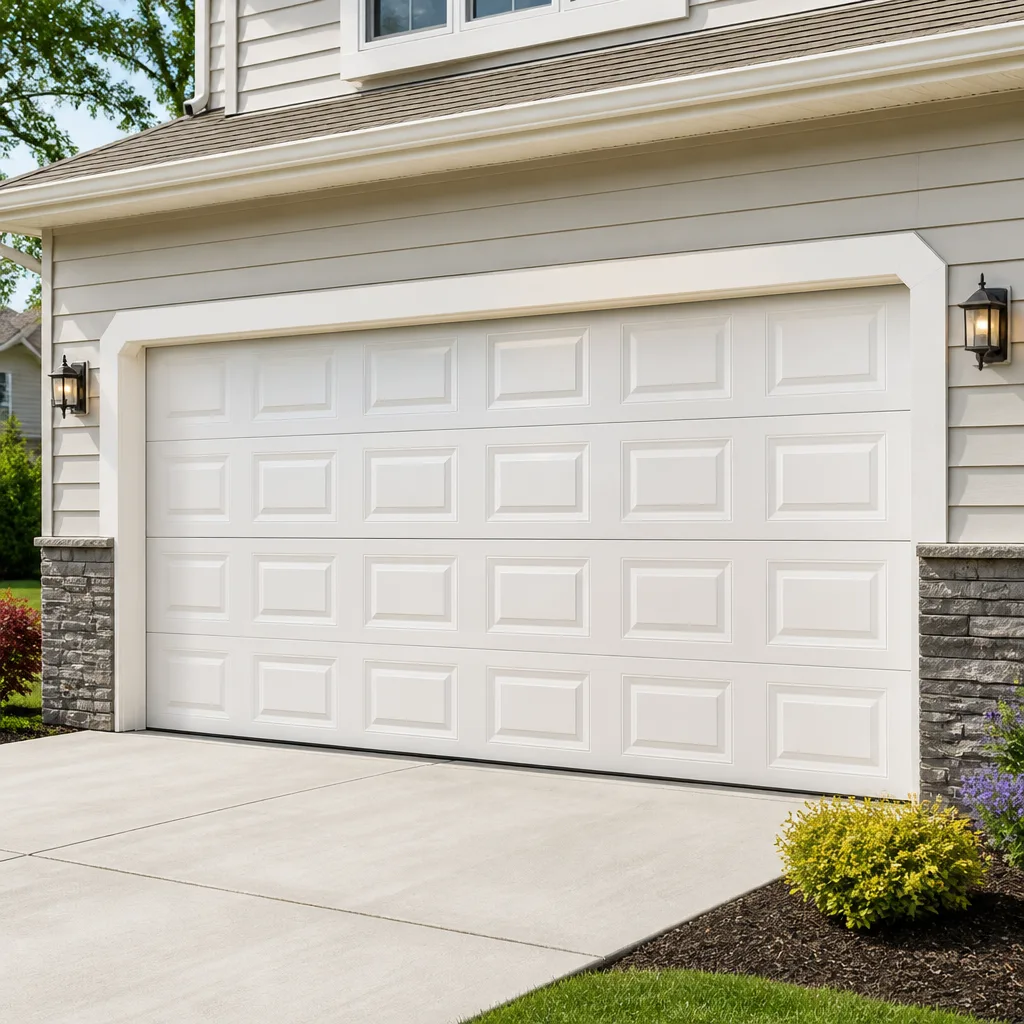 Raised-panel steel
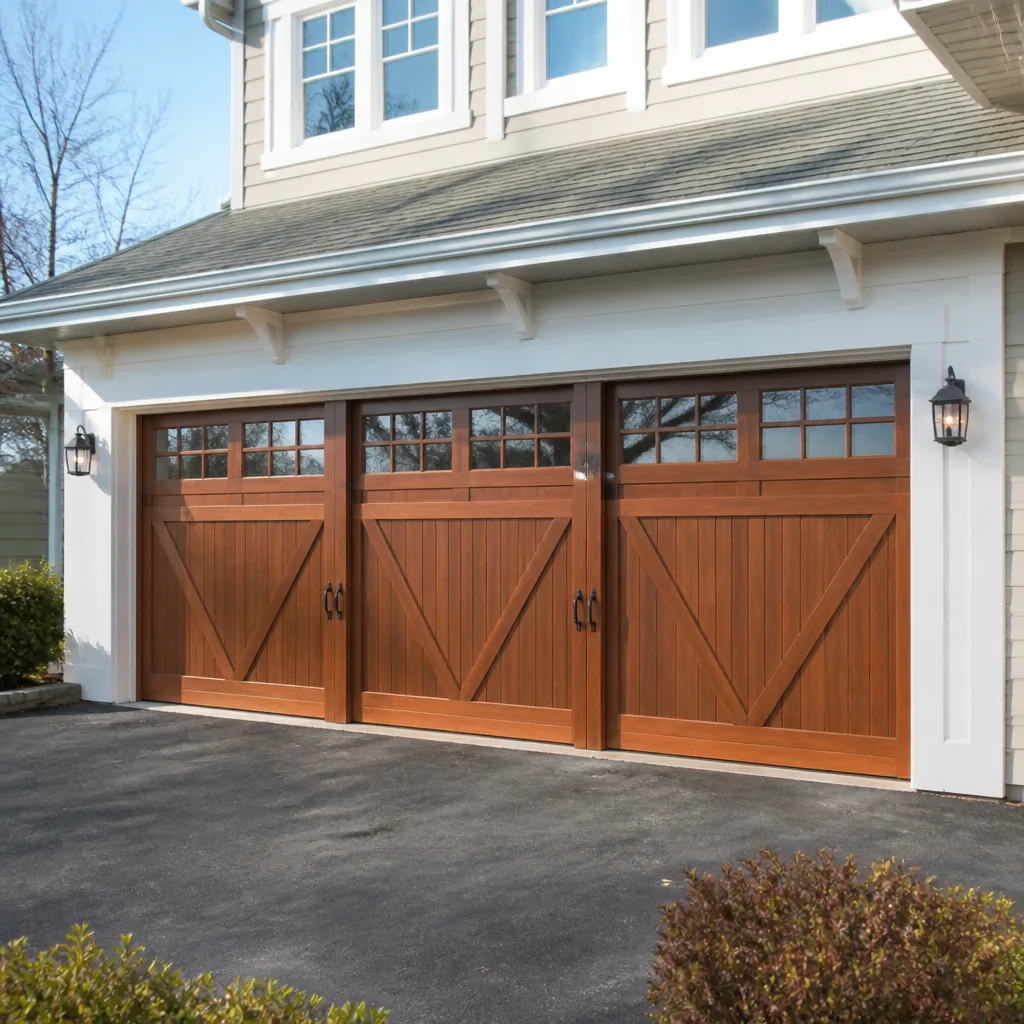 Carriage house
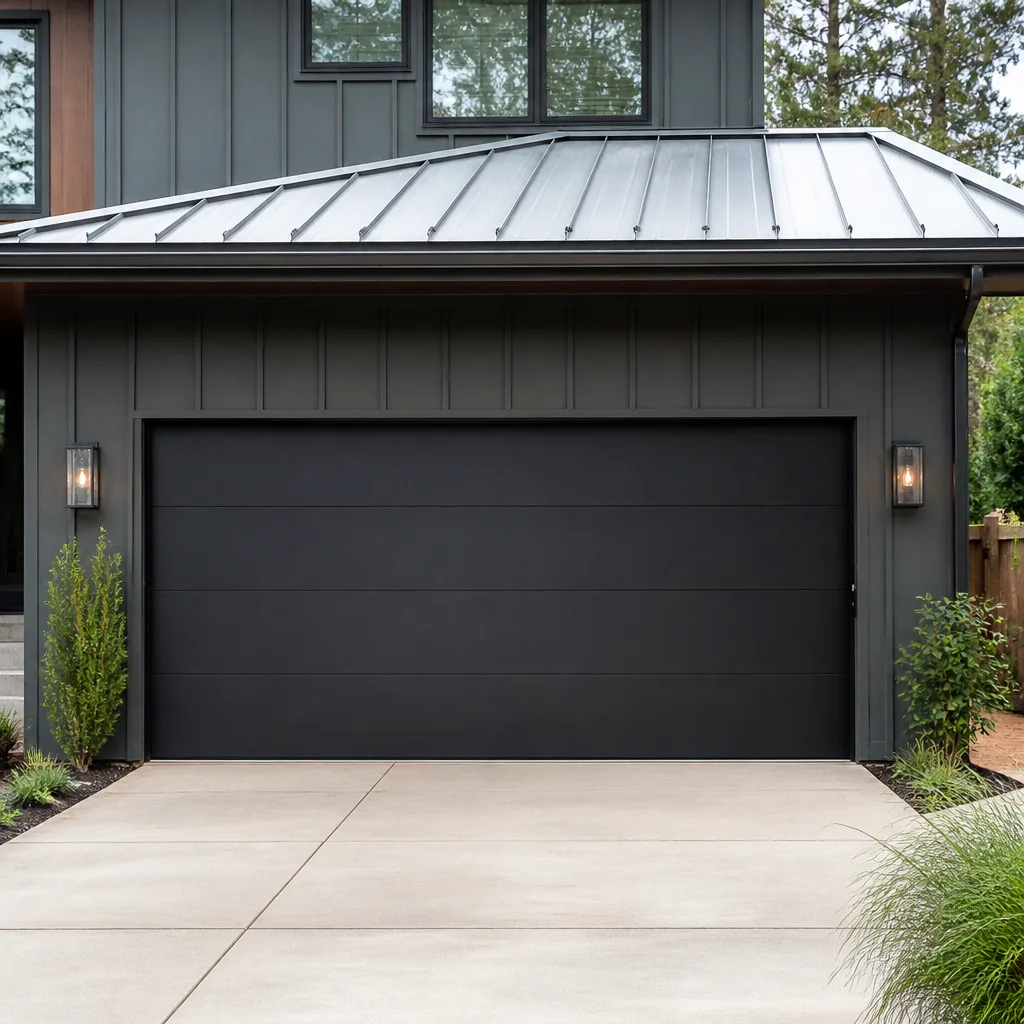 Modern flush
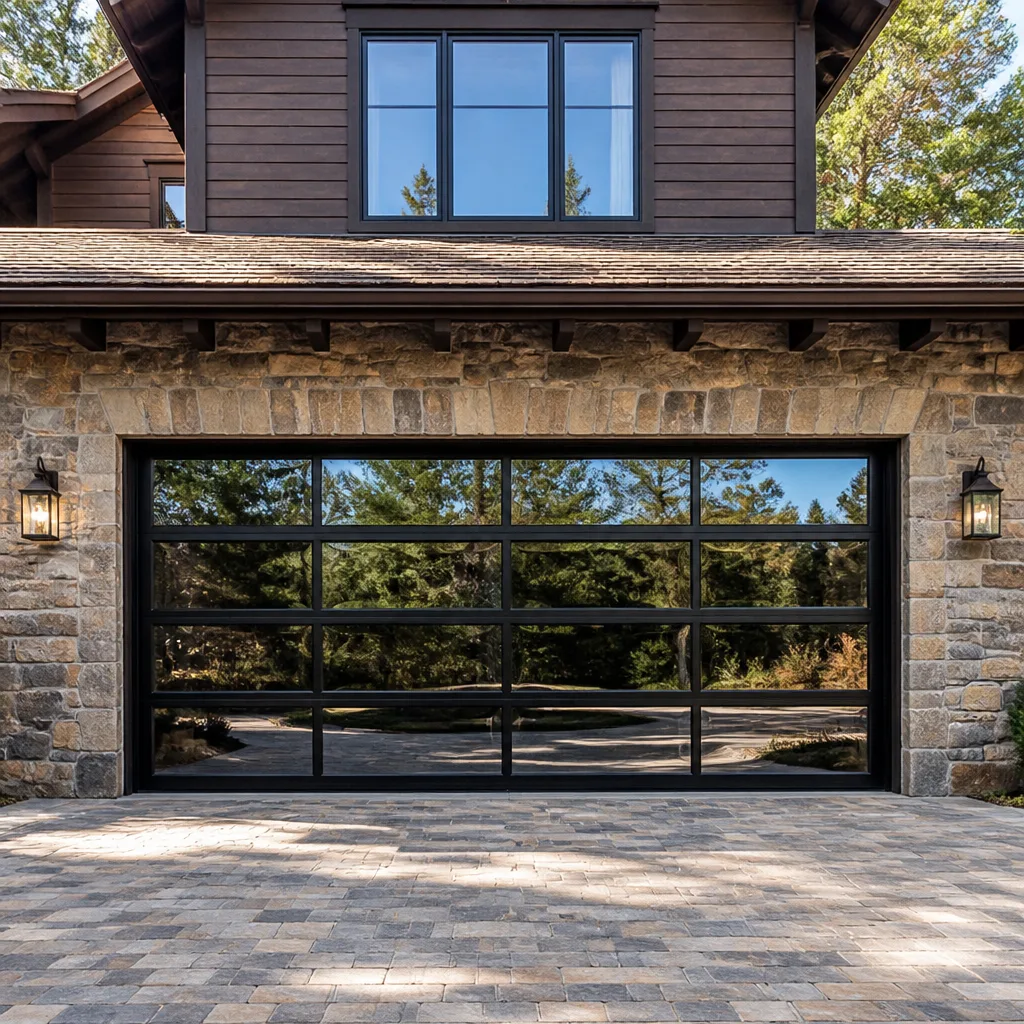 Full-view glass
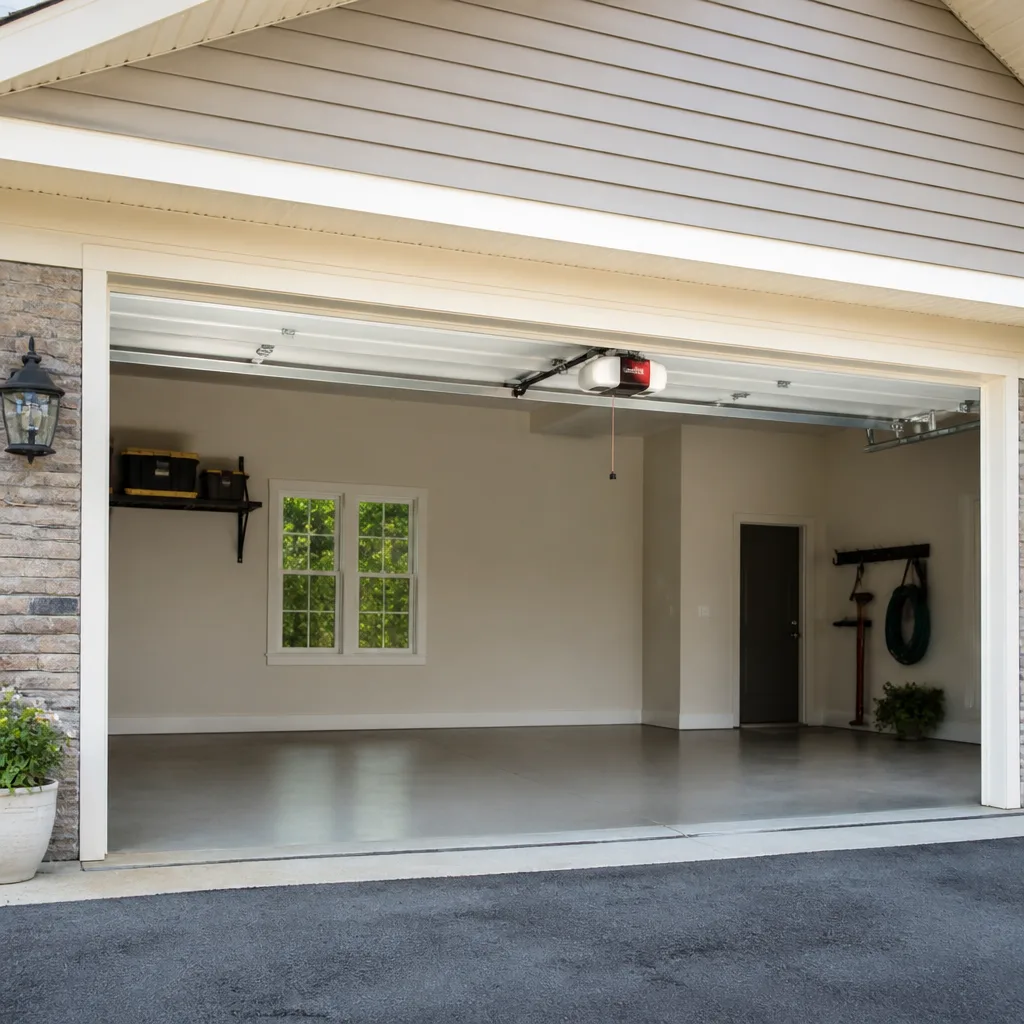 LiftMaster openers
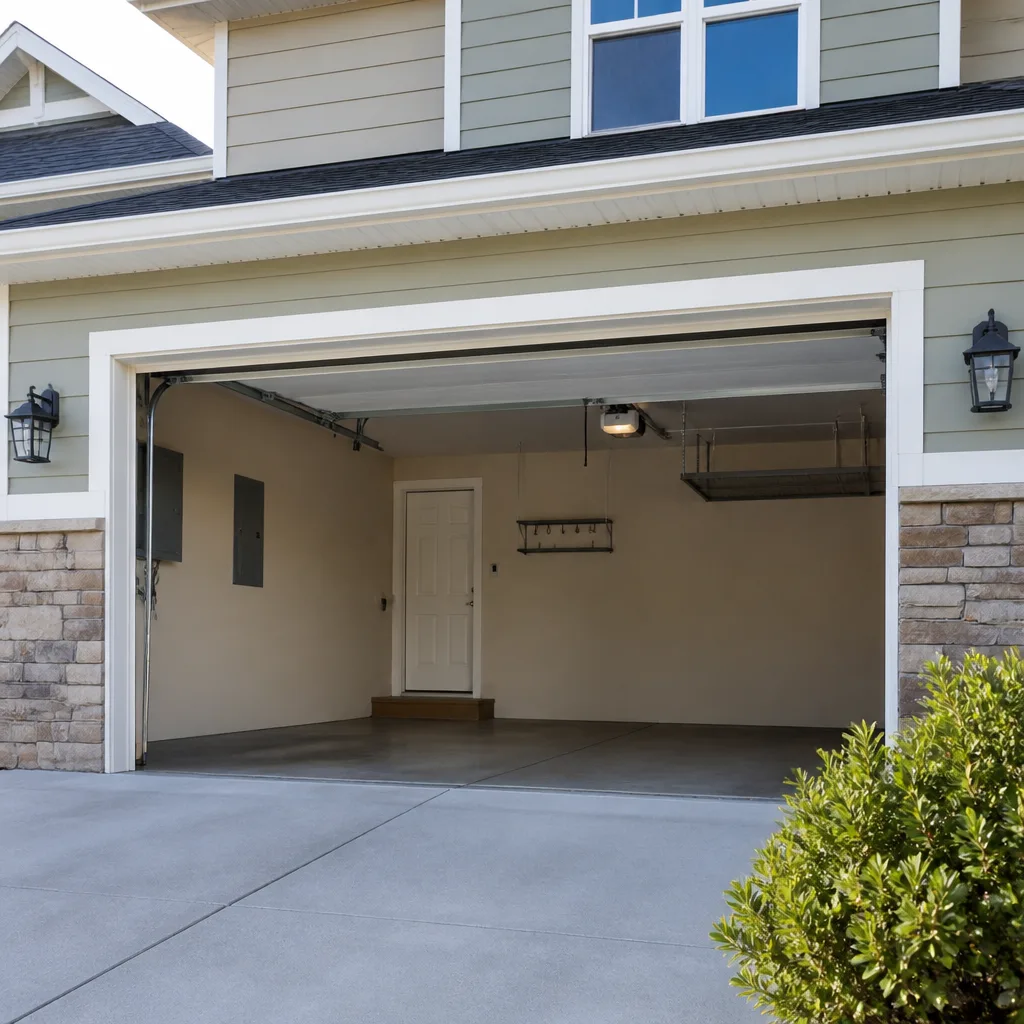 Chamberlain openers
Full 25-point door and opener safety check with every visit - springs, cables, rollers, tracks, and your LiftMaster or Chamberlain opener included
You get a price before we start. It does not change when the pro arrives.
Get your free estimateSeasonal Garage Door Care for Coral Springs: Year-Round Homeowner’s Guide
Most garage door maintenance advice you’ll find online was written for a place with four distinct seasons, and it shows. It tells you to winterize, to check for frost, to brace for the cold. Coral Springs doesn’t work that way. Here, the calendar that actually matters is split in two: hurricane season and everything else. June 1st is a more important date for your door than any temperature change, and the months leading up to it are when the real work gets done. In this guide, we’ll walk through a full year of garage door care built for South Florida conditions, covering the pre-season hardware audit, what to check after a named storm passes, what happens to your door when the dry season arrives, and how relentless UV exposure wears down finishes and seals faster than almost anywhere else.
Quick Answer
Seasonal garage door care in Coral Springs should follow the storm calendar, not the traditional four seasons. Run a full wind-load hardware and seal audit in April and May before hurricane season starts, inspect the door after any named storm passes within 100 miles, and re-adjust rollers, tracks, and the opener during the dry months from November through April when lower humidity causes materials to contract. Bottom seals and panel finishes need checking year-round because South Florida UV degrades them faster than any other region.
Styles & brands we work with
- Raised-panel steel
- Carriage house
- Modern flush
- Full-view glass
- LiftMaster openers
- Chamberlain openers
Table of Contents
- Why Your Coral Springs Maintenance Calendar Should Start in June
- The Pre-Season Protocol: What to Do in April and May
- During Hurricane Season: What to Check After Every Named Storm
- The Post-Storm Inspection Sequence That Catches Hidden Damage
- Dry Season Care: November Through April Adjustments
- How South Florida UV Wears Out Finishes and Seals
- Opener Care Through the Seasons
- A Simple Monthly Routine That Takes Ten Minutes
Why Your Coral Springs Maintenance Calendar Should Start in June
June 1st marks the official start of Atlantic hurricane season, and for a garage door in Coral Springs that date carries more weight than any drop in temperature. Your door is the largest moving opening in your house, and it’s also one of the weakest points when wind pressure builds. The weeks before June 1st are your window to make sure the whole assembly is ready, because once a storm is named and heading toward Broward County, you don’t want to be discovering a loose bracket or a cracked bottom seal.
The traditional four-season maintenance schedule assumes a hard winter that stresses materials through freezing and thawing. That cycle simply doesn’t happen here. What happens instead is a long wet season of heat, humidity, and wind loading, followed by a drier stretch when things contract. Those are two very different physical stresses, and they call for two different sets of checks. A guide written for a northern climate will tell you to clear snow and check for ice; neither applies to a Coral Springs home. What does apply is a wind-rated hardware audit, a seal inspection, and a real test of the emergency release before the first storm forms.
Treating June 1st as your maintenance anchor also helps you think about the door as a system. The springs, tracks, hinges, and bottom seal all take the load together, and so does the opener. When one part weakens, the others work harder. Getting ahead of that before storm season is far easier than chasing failures during it. For anything involving torsion springs or the opener motor itself, the work calls for a trained technician, which we’ll explain as we go.
The Pre-Season Protocol: What to Do in April and May
The April and May window is when a Coral Springs garage door gets its most useful attention of the year. The goal is to confirm the door is sound before wind pressure tests it for you. Here’s the sequence we recommend working through:
- Walk the wind-load hardware. Check every hinge, bracket, and track bolt for looseness or rust. Wind pressure finds the weakest fastener first, so a screw that’s backed out now is a failure point later.
- Inspect the bottom seal. Run your hand along the rubber and look for cracks, hardening, or gaps where it meets the floor. A seal that’s already split won’t hold against driving rain.
- Test the emergency release. With the door closed, pull the red release handle and confirm the door disengages from the opener and lifts by hand. Then re-engage it and cycle the door once. If it doesn’t catch, the release needs attention before you rely on it.
- Check the door balance. Disconnect the opener and lift the door halfway. It should stay put. A door that drifts down on its own is telling you the springs are losing tension.
- Look at the weatherstripping around the frame. Side and top seals dry out and pull away in the heat. Replacing them is inexpensive and keeps wind-driven rain out of the garage.
- Clear the tracks and the opener’s safety sensors. Debris and dust build up during the dry months. Wipe the tracks and confirm the sensors are aligned and the indicator light is solid.
If any of this turns up a problem with the springs or the opener, that’s the moment to schedule garage door spring repair rather than wait. Spring failure is a safety issue, not a minor repair, and the high-tension springs on a modern door carry enough stored force to cause serious injury. That’s not a job to take on yourself; it belongs with a technician who has the right tools and training.
During Hurricane Season: What to Check After Every Named Storm
Once a named storm passes within about 100 miles of Coral Springs, your door deserves a look even if it seems fine. Wind pressure and blowing debris do their damage quietly, and the visible part of the door often looks unchanged while the hardware underneath has shifted. The check after a storm is short but worth doing every time.
- Look for panel distortion. Stand back and sight down the door face. Any wave, dent, or bulge in a panel means the door’s structural strength is compromised, even if it still opens.
- Check the tracks for alignment. A track that’s been nudged out of plumb will make the door bind. Listen for grinding or scraping as it moves.
- Confirm the door still sits flush against the floor. If wind lifted the door slightly, the bottom seal may no longer be making contact, which lets water in during the next rain.
- Listen to the opener. A motor that sounds louder or strained after a storm may be fighting a door that’s out of balance.
- Test the safety reverse. Put a roll of paper towels in the door’s path and cycle it closed. The door should reverse on contact.
If the door won’t move at all after a storm, don’t force it. Call for garage door repair so a technician can diagnose the problem without making it worse. A door stuck open after a storm leaves the house exposed, which is exactly the kind of problem that shouldn’t wait.
The Post-Storm Inspection Sequence That Catches Hidden Damage
Some storm damage shows up right away; some hides until the next event or the first heavy rain. A structured inspection sequence catches the second kind. Work through it in this order every time a significant storm passes:
- Start at the floor and work up. Check the bottom seal first for tears or gaps, then move to the first hinge, then each hinge above it.
- Examine the spring area visually (don’t touch). Look for a visible gap in a torsion spring or stretched, sagging extension springs. Never handle a spring to test it.
- Inspect the opener rail and mounting. Wind vibration can loosen the ceiling mounts. A rail that’s out of line puts strain on the whole operator.
- Check the panels from the outside. Look at the door from the driveway, not just from inside the garage. Dents and separations read differently from the exterior face.
- Open and close the door once, slowly. Listen for any new sound. Grinding, popping, or a labored motor all point to something that moved.
- Confirm the photo-eye safety sensors still align. Blown debris and shifted tracks can knock them out of line, and the door won’t close reliably if they’re off.
This sequence is the difference between catching a problem when it’s a small fix and discovering it when the door fails entirely during the next storm. In our experience, most post-storm issues in Coral Springs trace back to hardware that was already slightly loose before the wind arrived.
Dry Season Care: November Through April Adjustments
When hurricane season ends and the drier months settle in, the stresses on your garage door change. Lower humidity causes wood, seals, and even metal components to contract slightly. That contraction can loosen what was tight, and it’s the reason a door that worked smoothly in October can start to rattle or bind by December. The dry season is when you re-adjust for those changes.
The tasks that matter most from November through April:
- Re-check track alignment and tighten fasteners. Contraction opens small gaps at the bolts. A quick pass with a wrench keeps the tracks true.
- Re-seat the bottom seal. A seal that shrank slightly may pull away from the corners. Reseating it now prevents a drafty, water-prone gap.
- Lubricate rollers, hinges, and the torsion springs lightly. A proper garage door lubricant keeps moving parts quiet and reduces wear. Avoid grease that attracts grit.
- Test the opener’s force settings. As the door loosens or tightens with the season, the opener’s sensitivity may need a small adjustment.
- Check the door balance again. What was balanced in the humid months may need a spring adjustment once things dry out.
If the balance test shows the door drifting or the opener straining, that’s a sign to have the springs evaluated. This is also the time to address garage door opener repair if the motor is surging or the remotes have become unreliable. Dry-season adjustments are usually small, which is exactly why they’re easy to skip and worth doing.
How South Florida UV Wears Out Finishes and Seals
The sun over Coral Springs does more damage to a garage door than any other single factor, and it does it faster than in almost any other region. The intensity and consistency of UV exposure break down paint and finish on the door’s exterior face, fade color, and cause the panels to chalk or peel over time. The bottom seal, which sits in direct sun on the driveway side, hardens and cracks much sooner than homeowners expect.
What that means for seasonal care:
- Wash and inspect the exterior face each season. Dirt holds heat against the finish. A rinse and a look for fading or chalking tells you when a repaint or refinish is due.
- Keep the bottom seal supple. A UV-resistant seal lasts longer, and a light application of a rubber-safe protectant helps. Replace it as soon as it cracks.
- Watch the top of the door, too. The header area takes sun and rain, and the weatherstripping there dries out quickly.
- Consider a lighter finish if you’re replacing panels. A finish rated for sun exposure holds up better here than a standard one.
If your door has a Wayne Dalton or Raynor model with a factory finish, matching a replacement panel to the original color matters more here because sun-faded panels won’t blend with new ones. We work on the brand already in your garage, so matching a replacement to what’s installed is straightforward.
Opener Care Through the Seasons
The opener is the electrical layer of the system, and it deserves its own seasonal check. In Coral Springs, the opener works harder during the humid months when the door is heavier to move, and it faces different demands in the dry season when things contract. A LiftMaster, Chamberlain, Genie, or Craftsman unit all benefit from the same basics: clean safety sensors, a well-balanced door, and a force setting that matches the door’s actual weight through the season.
Two seasonal habits make the biggest difference. First, test the safety reverse every month; it’s the single most important safety feature on the opener. Second, keep the moving parts of the door lubricated so the opener isn’t fighting friction. If the motor is the problem, whether it’s a strained Genie or a LiftMaster that’s lost its remote pairing, that’s when to look into garage door opener repair rather than live with a door that’s become unreliable.
If you’re weighing a replacement, our guide to the full range of Coral Springs garage door services covers installation and what to expect from a new system. The same technicians who repair the door and the opener can also replace them, which means no handoff to a separate contractor.
A Simple Monthly Routine That Takes Ten Minutes
A full seasonal audit covers the big picture, but a ten-minute check each month keeps small problems from growing between seasons. This short routine works year-round in Coral Springs:
- Run the door once and listen. Any new sound is worth a look.
- Test the safety reverse. Put an object in the door’s path and confirm it reverses.
- Look at the bottom seal. Check for cracks or a gap against the floor.
- Wipe the tracks. Clear dust and debris so the rollers run clean.
- Check the sensors. Confirm both indicator lights are solid, not blinking.
- Glance at the hardware. Look for loose bolts or rust at the hinges.
Ten minutes a month is the cheapest maintenance there is, and it catches most issues before they turn into an emergency. If something in the routine looks off and you’re not sure, a quick call costs nothing.
Common Mistakes to Avoid
- Following a northern maintenance calendar. Advice built for freezing winters won’t help a Coral Springs door. Build your plan around the storm season instead.
- Ignoring the door after a storm passes. A door that looks fine can have shifted hardware. Check it after every named storm within 100 miles.
- Waiting for spring to adjust a dry-season door. Contraction happens in November through April, so that’s when the re-adjustment belongs.
- Assuming the bottom seal will last for years. South Florida UV shortens its life. Inspect it every season and replace it when it cracks.
- Skipping the emergency release test. During storm season, that release is how you get the door open if the power fails. Test it before you need it.
- Forcing a stuck door. If the door won’t move after a storm, forcing it can damage the opener or the springs. Call for help instead.
- Trying to adjust springs yourself. Torsion and extension springs store dangerous force. Spring work belongs with a trained technician.
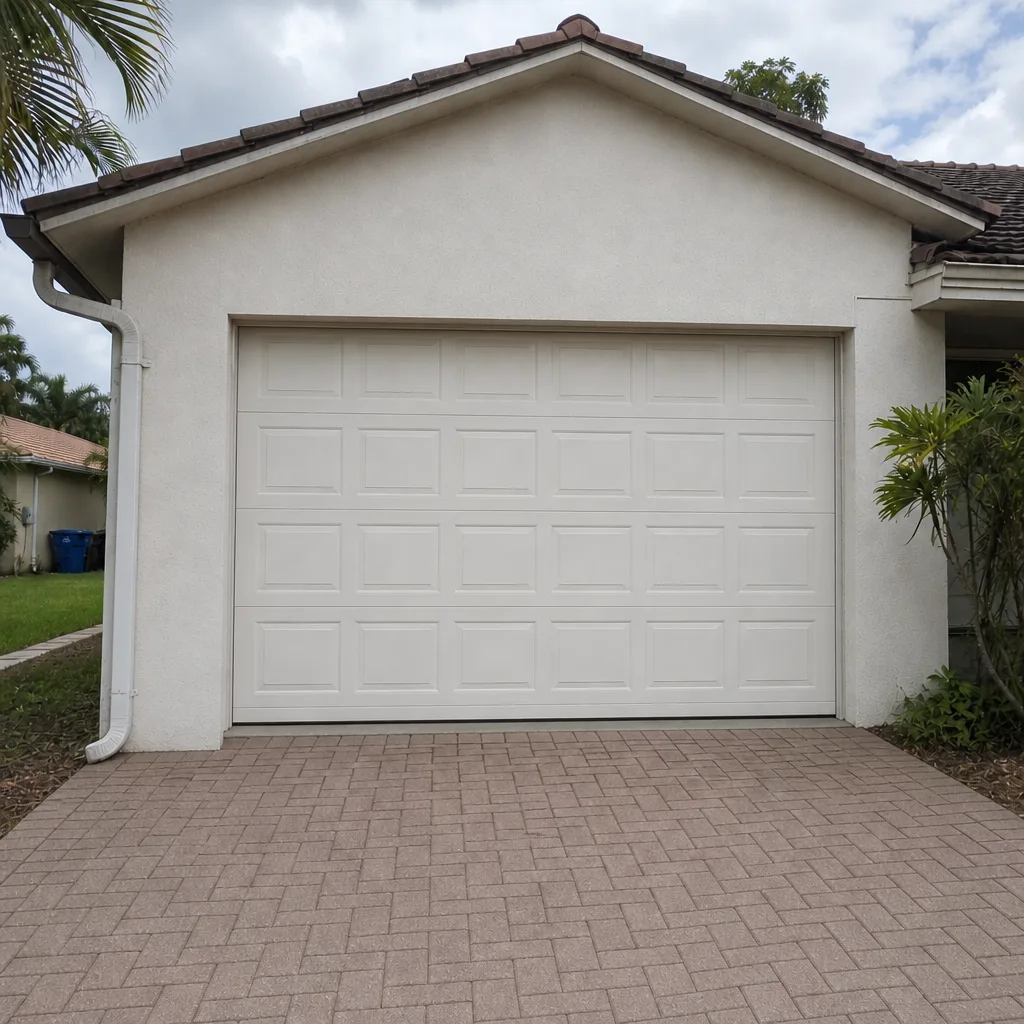
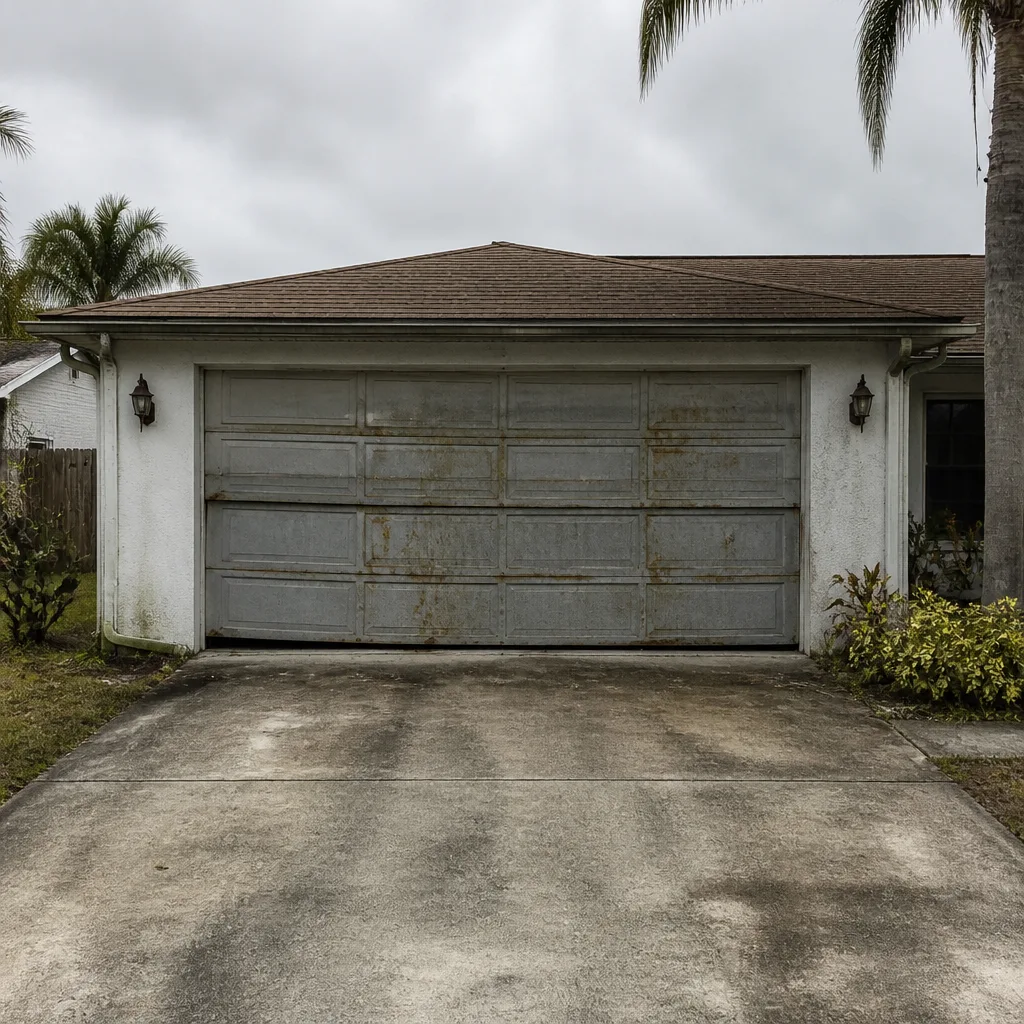
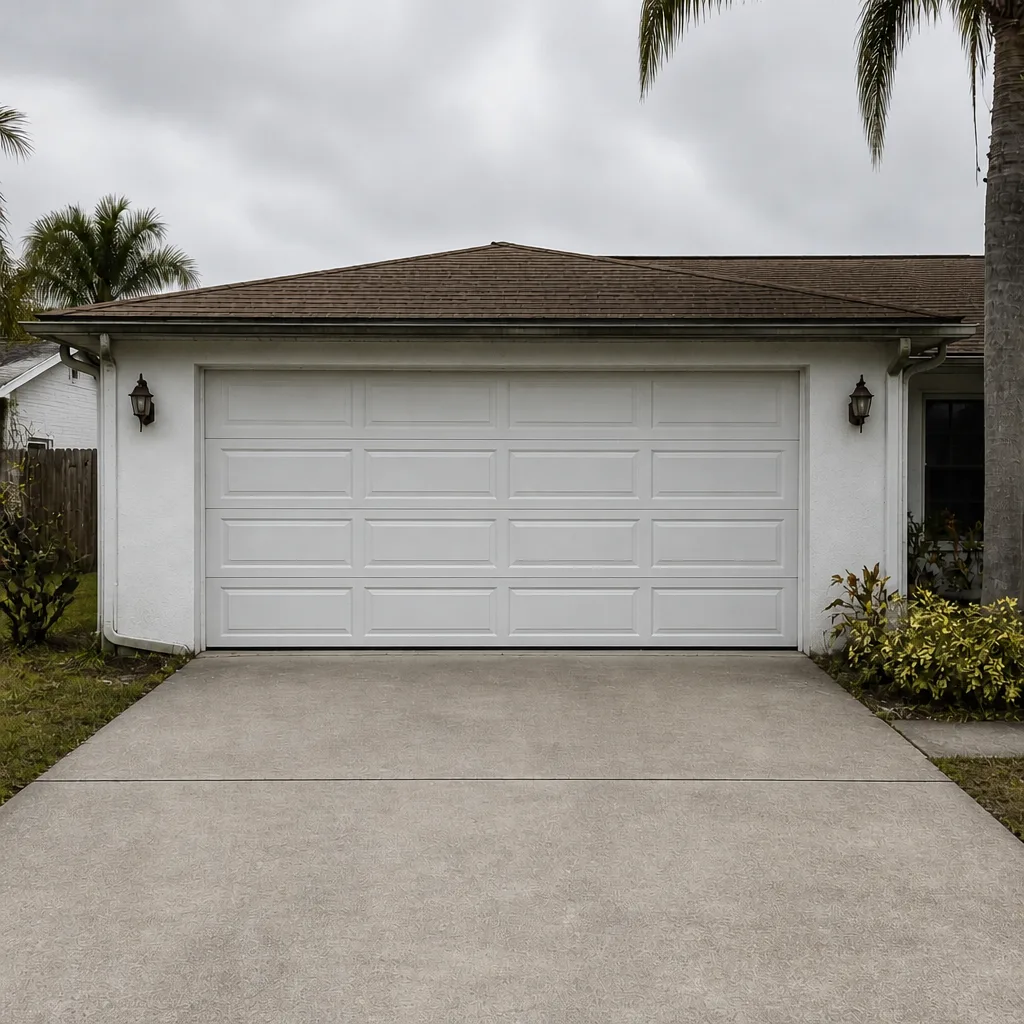
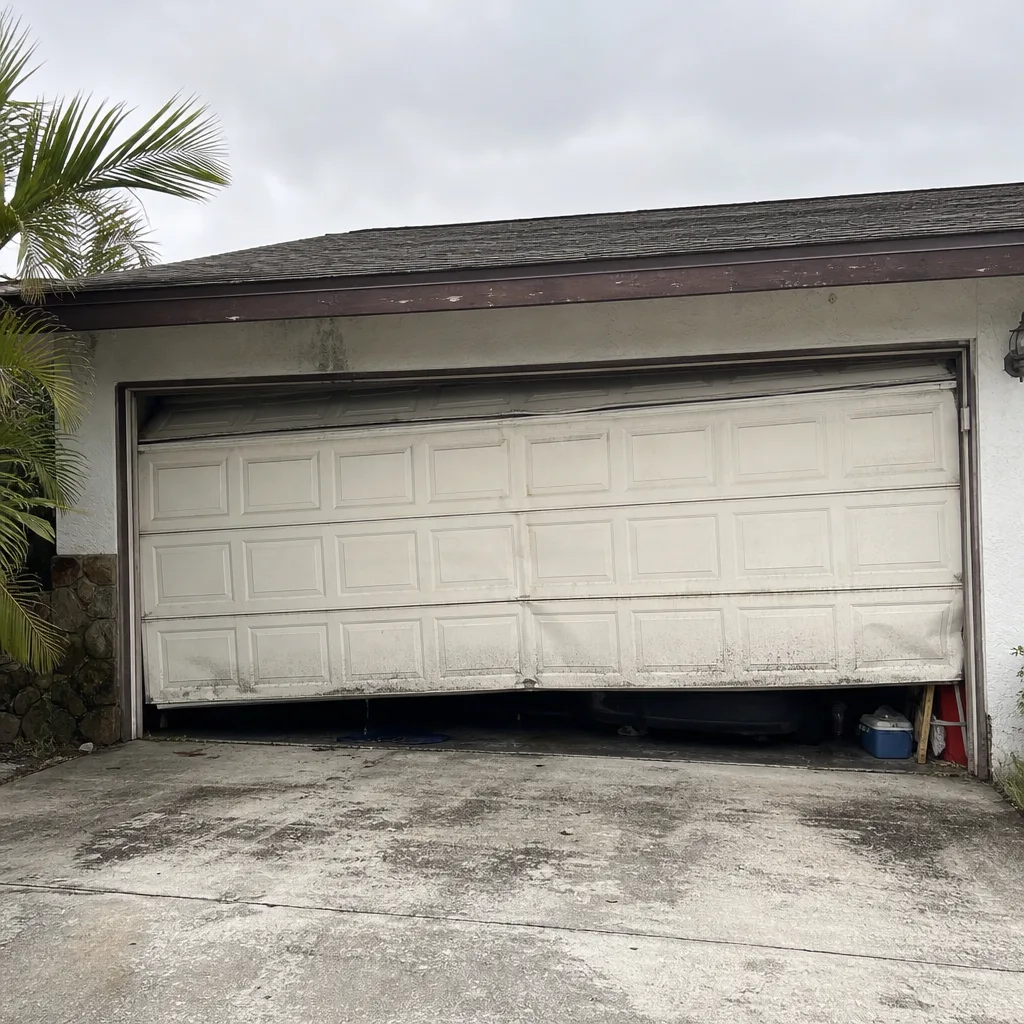
See the difference
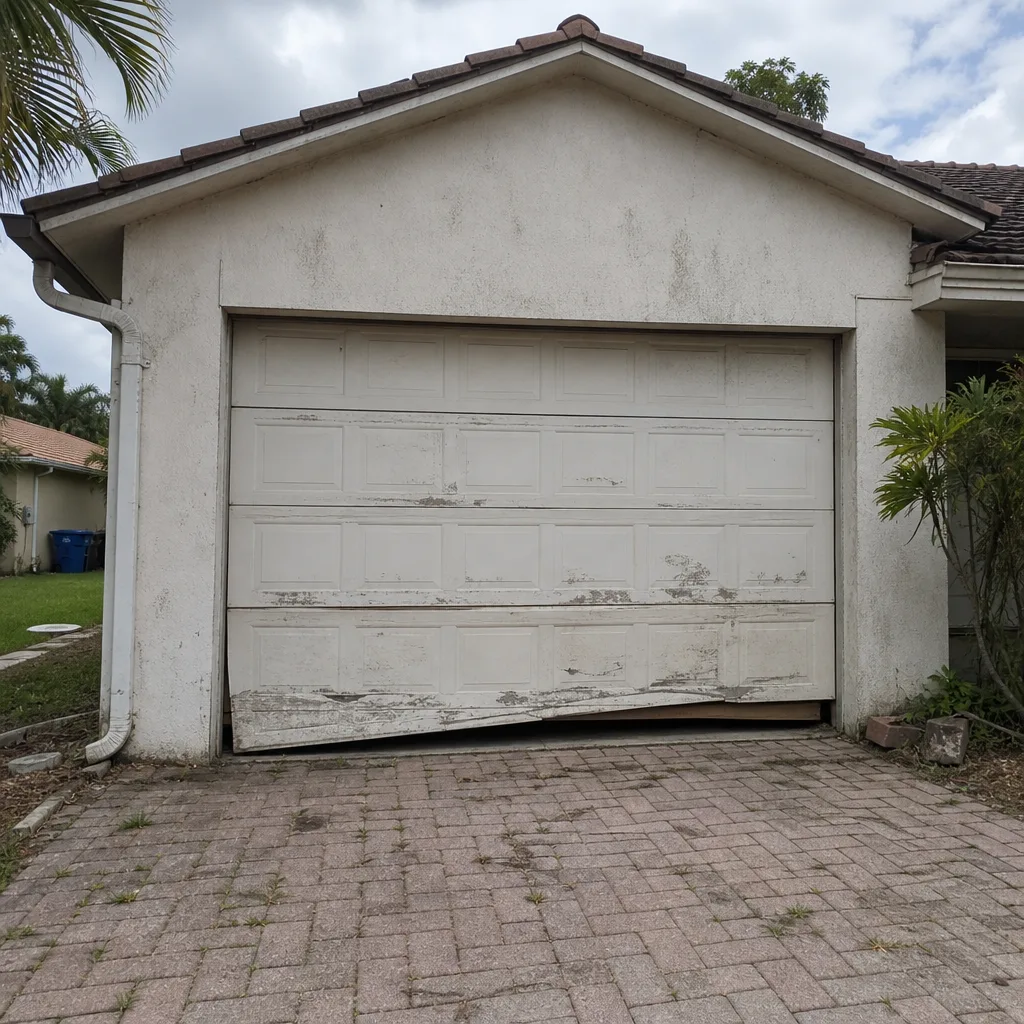 Before
 After
 Before
 After
 Before
 After
When to Call a Professional
Some tasks are safe to handle yourself: wiping tracks, testing the safety reverse, inspecting the bottom seal. Others aren’t. Call a professional when the door won’t open or close, when a panel is visibly distorted, when the door is out of balance, or when the opener is straining or surging. Any work on the springs, of any type, should be done by a trained technician because of the stored force involved. If a storm has left the door stuck open or stuck shut, that’s an emergency situation, and it’s exactly why we offer emergency garage door service. Coral Springs Garage Door Repair Co offers free estimates in Coral Springs, and our technicians have up to 14 years of experience. Call (877) 510-2936 to schedule a check before or after storm season. The price is quoted and agreed before any work starts, so you’ll know the cost before anyone touches the door.
Frequently Asked Questions
April and May are the best months to schedule a full maintenance check in Coral Springs, because the work gets done before hurricane season starts on June 1st. A pre-season visit covers the wind-load hardware, bottom seal, emergency release, and door balance, so you enter storm season with the whole system checked.
After a named storm passes within about 100 miles, inspect the panels for distortion, check the tracks for alignment, confirm the bottom seal still meets the floor, and test the safety reverse. If the door won’t move or sounds strained, stop and call for garage door repair rather than forcing it. A quick post-storm check catches hidden damage before the next event.
Lower humidity from November through April causes seals, wood, and metal components to contract slightly, which can loosen fasteners and unseat the bottom seal. That’s why the dry-season checklist focuses on re-tightening the tracks, reseating the seal, and re-testing the door balance and opener settings.
Inspect the bottom seal every season and replace it as soon as it shows cracks or hardening. South Florida UV degrades the rubber faster than in cooler regions, so a seal here often needs replacing sooner than a homeowner expects. A cracked seal lets in wind-driven rain and reduces the door’s weather protection.
Yes. A door stuck open or stuck shut is an emergency situation, and we offer emergency garage door service for exactly that. Don’t force the door; call (877) 510-2936 and we’ll get it addressed so your house isn’t left exposed. The price is quoted and agreed before any work starts.
Yes. The opener is the electrical layer and deserves its own check, especially testing the safety reverse monthly and keeping the door balanced so the motor isn’t overworked. If the motor strains, the remotes fail, or the unit is a Genie, Chamberlain, or LiftMaster that’s lost its settings, that’s when to look into garage door opener repair.
The Bottom Line
Seasonal garage door care in Coral Springs follows the storm calendar, not the temperature. Build your year around June 1st: do the hardware, seal, and emergency release audit in April and May, inspect after every named storm within 100 miles, and re-adjust rollers, tracks, and the opener during the dry months from November through April. Keep an eye on the bottom seal and panel finish year-round, since UV exposure here wears them down faster than almost anywhere else. Do the ten-minute monthly check, leave springs and opener internals to a trained technician, and call for help the moment the door won’t move. That’s a full year of care built for this climate, and it’s how you keep a door that opens, closes, and protects the house every season.
When you’re ready to schedule a free estimate before or after storm season, call Coral Springs Garage Door Repair Co at (877) 510-2936. One call covers the door and the opener, and every price is quoted and agreed before any work starts.
Written by the team at Coral Springs Garage Door Repair Co.