Last updated November 22, 2026
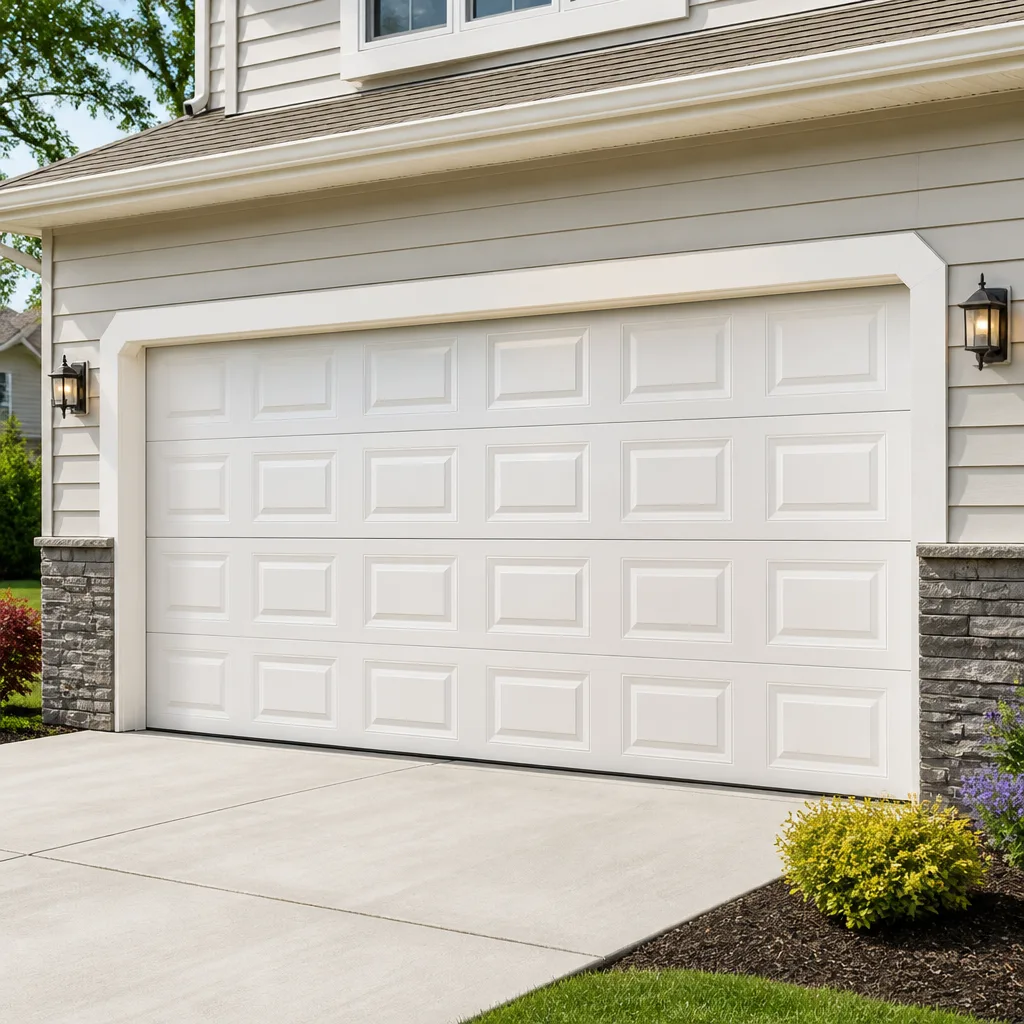 Raised-panel steel
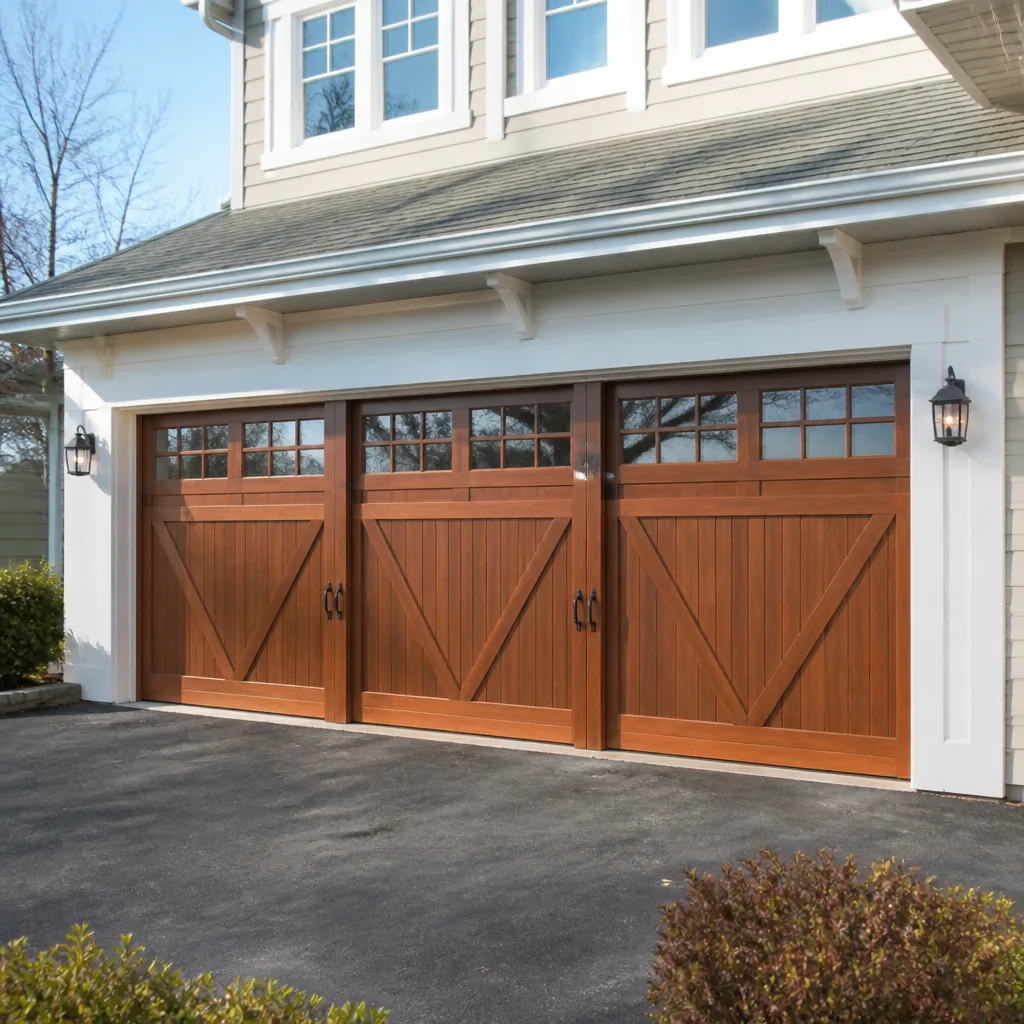 Carriage house
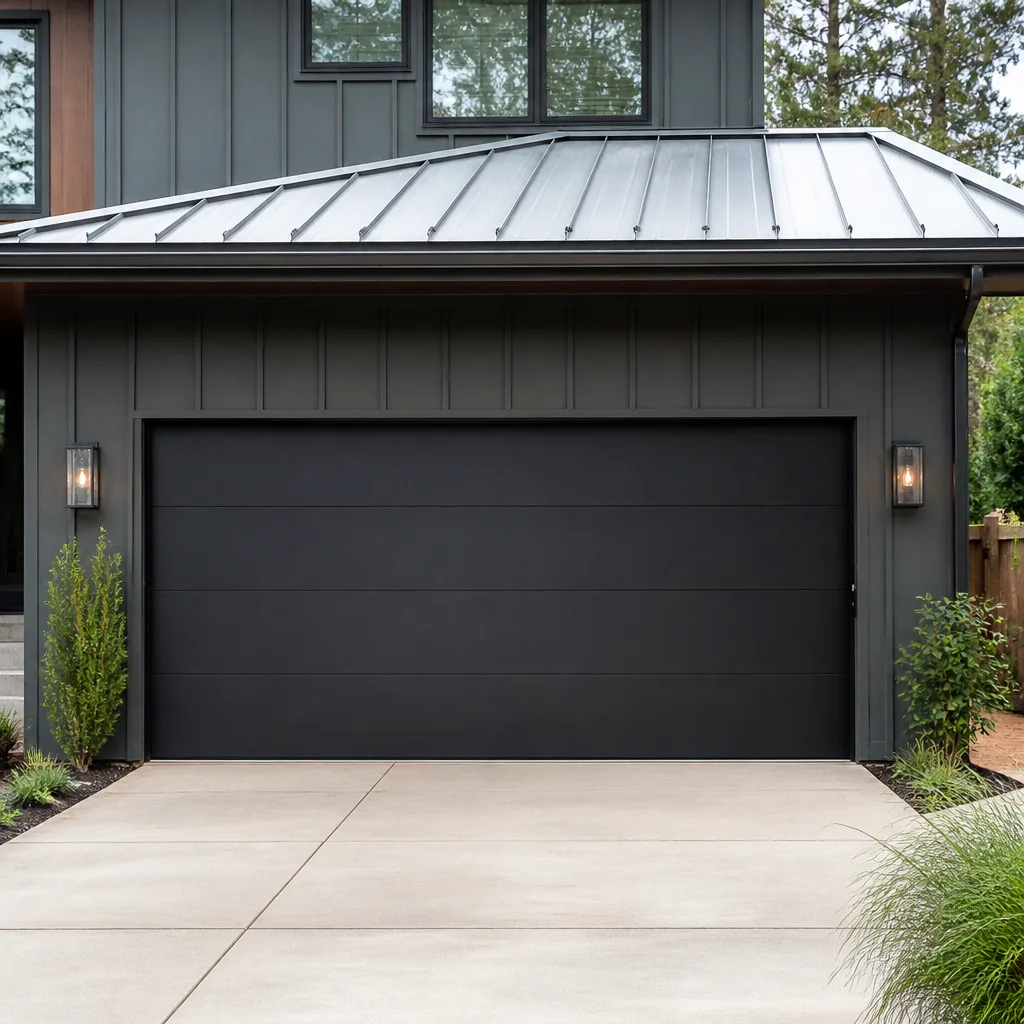 Modern flush
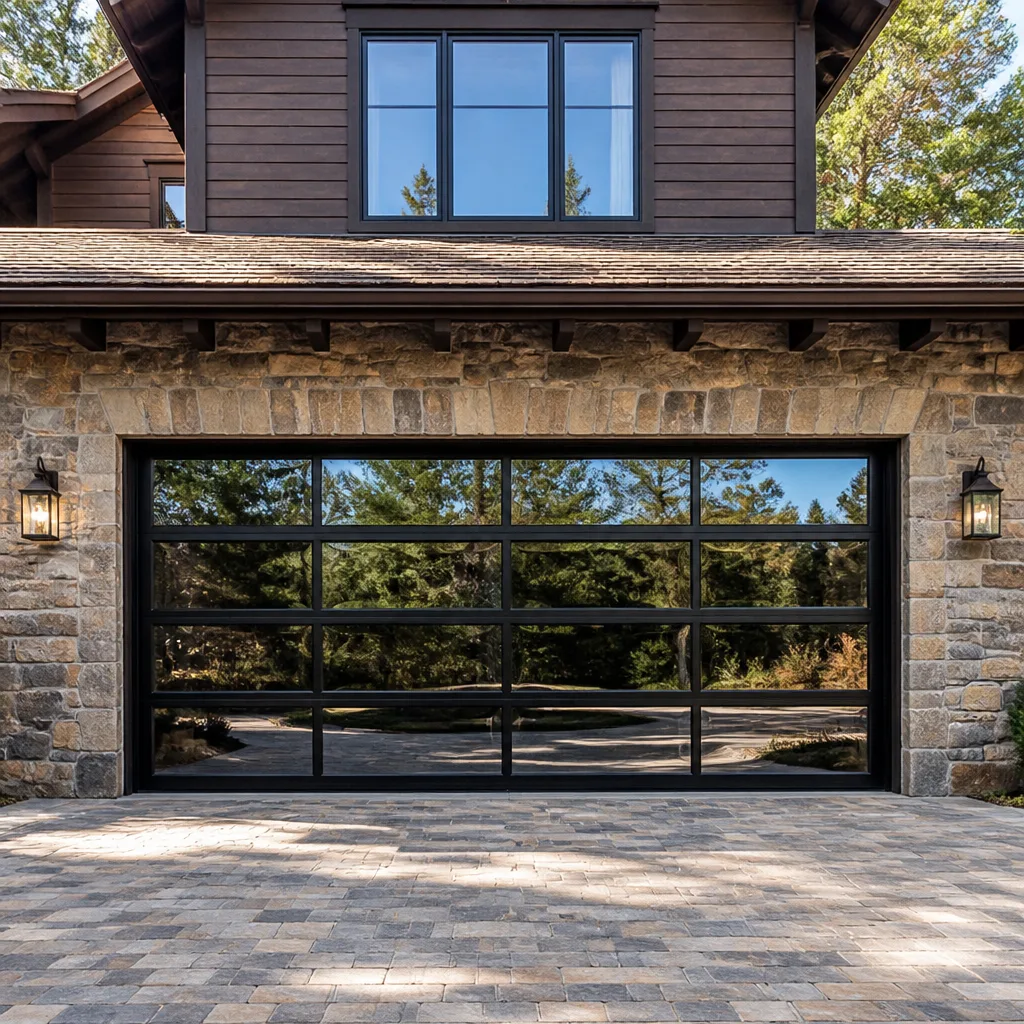 Full-view glass
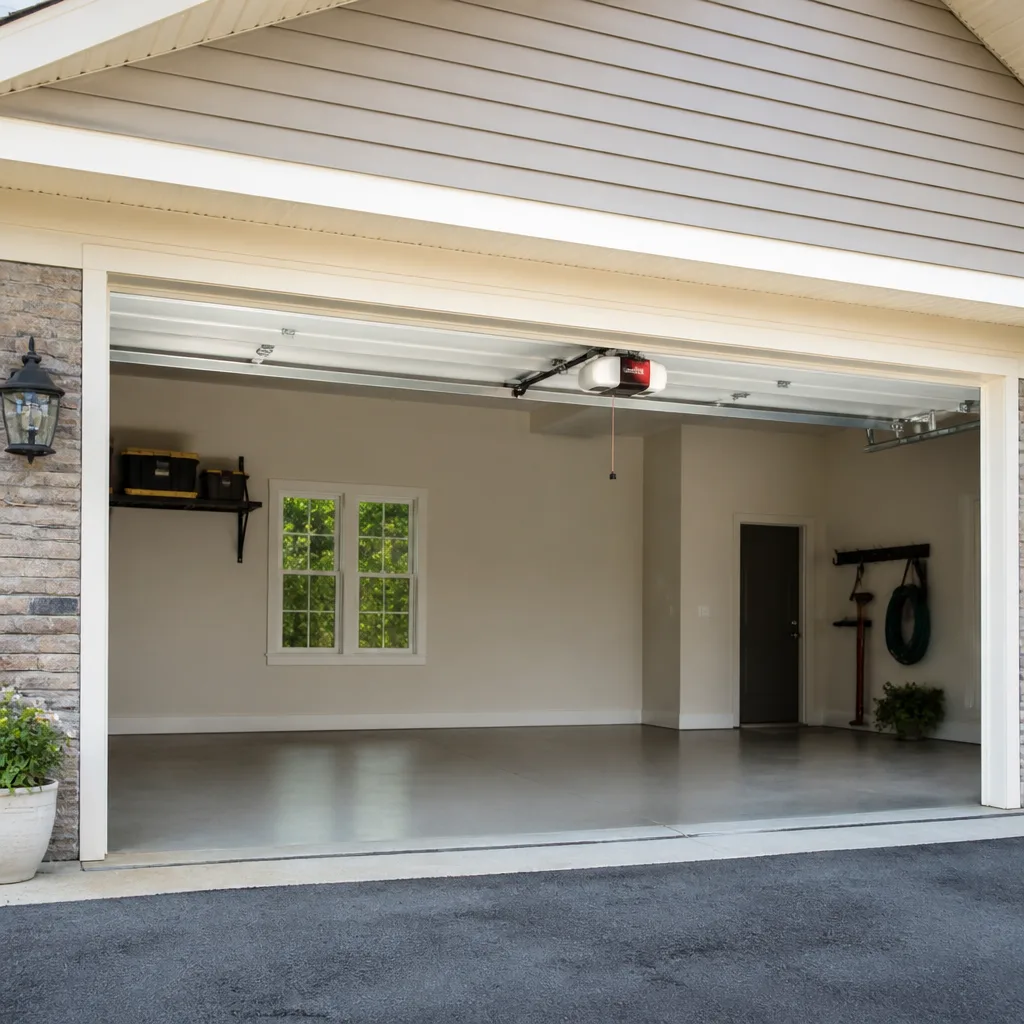 LiftMaster openers
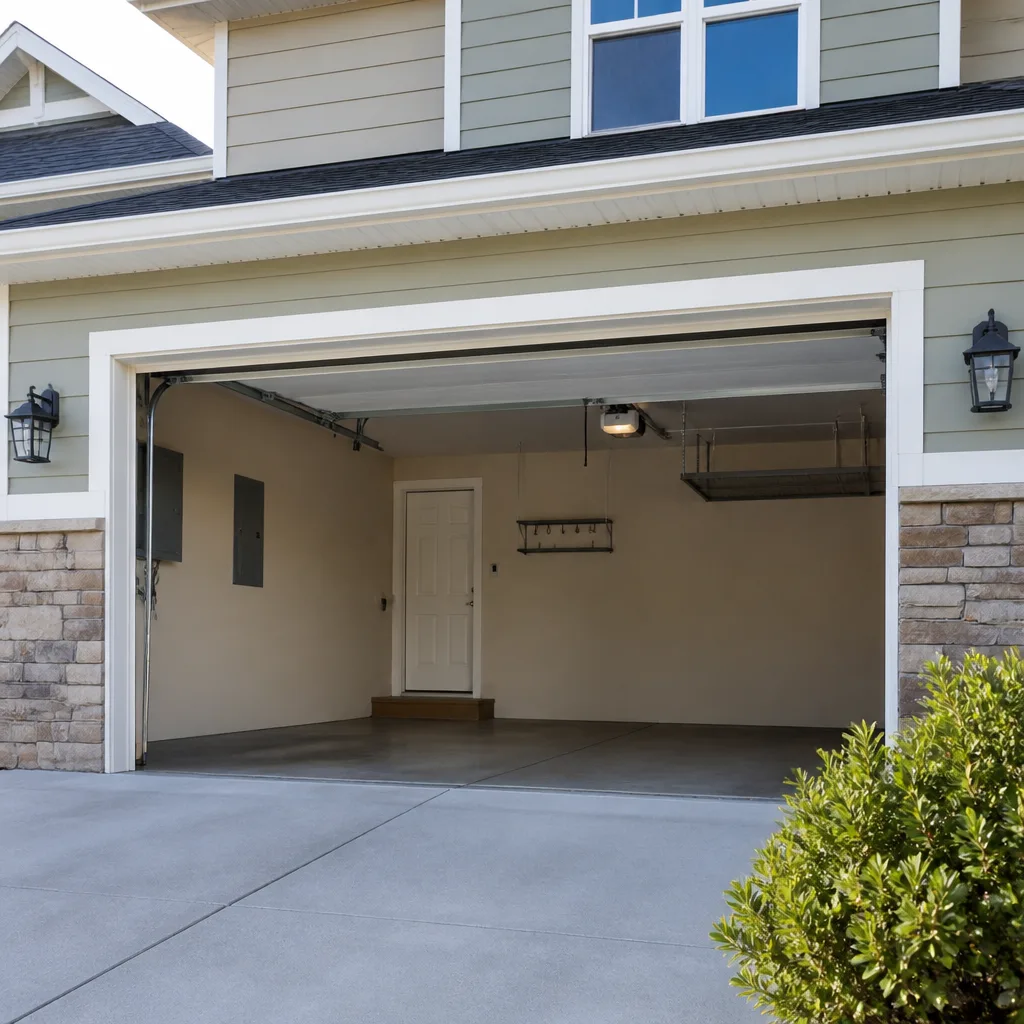 Chamberlain openers
Full 25-point door and opener safety check with every visit - springs, cables, rollers, tracks, and your LiftMaster or Chamberlain opener included
You get a price before we start. It does not change when the pro arrives.
Get your free estimateDIY vs Professional Garage Door: The Coral Springs Homeowner’s Decision Guide
Replacing a bottom weather seal is a reasonable Saturday afternoon project. Adjusting torsion spring tension from a video tutorial is not, and the difference between those two jobs is far more specific than most guides admit. The mistake homeowners make isn’t underestimating their own mechanical ability. It’s grouping every garage door task into one bucket labeled “repair” and deciding whether to DIY the whole bucket. In Coral Springs, where the garage door is often the main entry point and the house faces regular summer downpours and hurricane-season wind, the stakes are higher than the task list suggests. This guide breaks the work down task by task so you know exactly which jobs are safe for you, which void warranties, which run into Florida Building Code requirements, and which can hurt you.
Quick Answer
Most garage door maintenance is safe to DIY, but torsion and extension spring work, cable replacement, and any opener installation that involves new wiring or a new circuit are jobs for a licensed professional. In Coral Springs, spring and cable repairs also carry stored-energy injury risk that no tutorial can prepare you for, and DIY adjustments to panels or openers can void the manufacturer’s coverage on your door. If the job involves the springs, the cables, or the electrical side of the opener, call a pro.
Styles & brands we work with
- Raised-panel steel
- Carriage house
- Modern flush
- Full-view glass
- LiftMaster openers
- Chamberlain openers
Table of Contents
- The Task-by-Task Breakdown: What’s DIY-Safe and What Isn’t
- Why Springs and Cables Are a Different Category of Repair
- Florida Building Code Tasks That Need a Licensed Contractor
- How DIY Adjustments Void Manufacturer Coverage
- When a DIY Opener Installation Is Legal and When It Isn’t
- The Cost of a DIY Error vs. the Cost of the Original Repair
- What Makes Coral Springs Garage Doors Different
- How to Decide, Job by Job
The Task-by-Task Breakdown: What’s DIY-Safe and What Isn’t
The garage door is one of the few systems in a house that combines heavy moving parts, stored mechanical energy, and a 120-volt electrical circuit in the same assembly. That combination is why the DIY-versus-pro question has no single answer. Some tasks genuinely don’t need a professional. Others are dangerous enough that the savings aren’t real.
Here’s how the work divides in our experience across Coral Springs homes:
Safe to DIY with basic tools
- Replacing the bottom weather seal. A worn seal lets water and insects in, and swapping it is a straightforward slide-out, slide-in job on most doors.
- Tightening loose hinge and bracket bolts. Vibration works fasteners loose over time. A socket wrench and a few minutes usually quiet a rattling door.
- Cleaning and lubricating rollers, hinges, and tracks. A garage door lubricant on the moving joints and a rag on the track goes a long way toward smooth operation.
- Replacing the opener’s remote battery and re-pairing remotes. No tools beyond the manual required.
- Visual inspection. Looking for frayed cables, worn rollers, bent tracks, and gaps in the seal is something every homeowner should do a few times a year.
Not safe to DIY
- Torsion spring replacement or adjustment. The spring is under extreme tension. This is the single most dangerous job in the trade.
- Extension spring replacement. Less dangerous than torsion, still stored-energy work that requires specific tools and knowledge of the correct spring rating.
- Cable replacement. Cables carry the door’s weight alongside the springs. A slipped cable can whip with force.
- Panel replacement. Panels are heavy, awkward, and often interlock with the spring system. Getting one out of alignment strains everything else.
- Opener replacement or new wiring. The door opener is an electrical appliance. New circuits, new outlets, and new hardwiring cross into licensed electrician territory in most Florida jurisdictions.
- Track realignment. Sounds simple; it isn’t. A door that comes off a bent track is a door that can fall.
A common question we get from Coral Springs homeowners is whether their older door is worth repairing at all. That’s a separate question from DIY-versus-pro, and it’s one we cover in our guide to garage door repair if you’re weighing replacement against fixing what you have.
Why Springs and Cables Are a Different Category of Repair
The torsion spring above your door is holding the entire weight of the door in tension. A standard two-car garage door weighs upward of 150 pounds; the spring is what makes it feel like 10. When a torsion spring fails or is improperly adjusted, that energy releases instantly. There’s no gradual warning. This is why spring repair is a specialized service in our trade, not an add-on, and why we treat it as a safety-critical job every time.
A few facts about spring work that change the DIY calculus:
- You can’t see the tension. Unlike a stretched extension spring, a torsion spring looks the same whether it’s correctly wound or dangerously overtightened. There’s no visual cue.
- The wrong winding tool slips. Winding bars are specific tools, and even with them, the bars can slip out of the winding cone under load. Homeowners have been seriously injured attempting this with screwdrivers, pliers, or improvised tools.
- Springs are rated by cycle life. A replacement spring has to match the door’s weight and the number of open-close cycles it’s engineered for. Getting the wrong spring shortens its life and stresses the cables, opener, and door panels.
- One spring failure usually means both need attention. When one spring breaks on a two-spring door, the second is typically the same age and the same cycle count. Replacing only one just means you’ll be back under the same door soon.
We’re not going to tell you spring work is complicated to scare you into calling. We’re telling you it’s dangerous because it is. If you suspect a broken or failing spring, stop operating the door and call for service. Our garage door spring repair page covers what the job involves if you want the specifics.
Florida Building Code Tasks That Need a Licensed Contractor
Florida is not a state where garage door work is entirely laissez-faire. Certain tasks run into code requirements that don’t care how handy you are. The two you’re most likely to hit:
- New garage door installation after a structural change or a permitted remodel. A new door or a door in a new opening typically requires a permit from the city. The specifics live with Coral Springs’ building department, and they’re the office to call with a specific question about your property.
- New electrical work for an opener. If your opener needs a new outlet, a new dedicated circuit, or hardwiring that doesn’t already exist, that side of the job falls under electrical code and usually requires a licensed electrician.
- Any work affecting wind-load rating on the door system. Florida requires garage doors in many applications to meet a specified wind-load rating, and the door, the reinforcement, and the installation all factor into that rating. Substituting parts, removing reinforcement, or reinstalling a door without following the rated assembly undermines the rating on paper and in practice.
Code requirements vary by municipality and by the specifics of your home. We are not attorneys, engineers, or the building department, so if you’re unsure whether a task on your property needs a permit, ask Coral Springs’ building department directly. It’s a short phone call that saves a lot of trouble later.
How DIY Adjustments Void Manufacturer Coverage
Manufacturer warranties on garage door panels, the door system, and openers are conditional. They cover defects, not outcomes. In practice, this is how coverage gets compromised by a DIY task:
- Panel warranties. Manufacturers like Clopay and Amarr warrant their panels against defects in materials and workmanship, not against distortion from a door that was run out of balance or forced up a bent track. If a panel buckles because the door was operated after a spring or track issue, the warranty usually won’t help.
- Opener warranties. LiftMaster, Chamberlain, and Genie all require installation per their published instructions and compatible door weight and balance. A DIY install that bypasses a safety reversal feature, omits a required bracket, or drives a door that was never balanced can void coverage on the operator.
- Parts returns. Many manufacturers warranty parts only through a licensed installer or dealer. A failed part purchased retail by a homeowner often gets a parts-in-hand replacement at best, not the full coverage a dealer install can carry.
If your door is still under a manufacturer warranty, it’s worth a quick read of the coverage terms before you touch anything beyond the weather seal. A five-minute DIY adjustment can cost you a panel replacement that would otherwise have been covered. We work on the brand already in your garage, including LiftMaster, Chamberlain, Genie, and Clopay, and can help you check whether a repair is warranty-eligible before it turns into a bigger problem.
When a DIY Opener Installation Is Legal and When It Isn’t
Replacing an opener is one of those jobs where the answer depends entirely on the state of your existing setup. The legal line isn’t drawn at the brand of opener; it’s drawn at the wiring and the door’s rating.
Generally legal to DIY (with caution)
- Swapping an opener using the existing mount, existing brackets, existing outlet, and existing wiring. If the new opener is compatible with the door’s weight and balance, and the safety reversal is set correctly, this is permitted work in most Florida municipalities.
- Pairing remotes and keypads to an existing opener. No electrical work, no code issue.
Usually requires a professional
- Adding a new electrical outlet or circuit for the opener. Electrical work typically requires a licensed electrician.
- Hardwiring a new opener without an existing, compliant circuit. See above.
- Installing an opener on a new door, or on a door whose wind-load reinforcement or structural attachment is changing. This is where permits typically enter the picture.
- Any opener install on a door that isn’t balanced or whose spring system hasn’t been checked first. The opener isn’t the first system to look at. It never is. The spring and door balance come first, then the opener. If your opener keeps triggering its safety reversal, the door is usually the problem, not the operator. Our garage door opener repair page covers that diagnostic sequence.
Opener brands matter less than people think. What matters is whether the operator is matched to the door’s weight, whether the safety sensors and reversal are functioning, and whether the electrical side is legal. We service LiftMaster and Chamberlain more than any other brand, and we work with Genie and Craftsman just as readily. The brand already in your garage is the brand we work on.
The Cost of a DIY Error vs. the Cost of the Original Repair
A question we hear reasonably often is whether the money saved by DIY is worth the risk. It’s a fair question, and the honest answer is that the math doesn’t work out the way people expect. This is not because the DIY job always fails. It’s because the failures involve a cascade of secondary damage.
Here’s the realistic comparison, using typical Central Broward County pricing as a general guide. Your written estimate from a local pro is the real number; these ranges are for planning purposes only:
- Spring repair by a professional: Typically $180 to $340 per spring, depending on the spring type and door. A matched pair is about twice that, since both springs are replaced together.
- A DIY spring error that bends a panel or a track: A panel replacement or track realignment on top of the original spring repair. In our experience the total lands well above the original spring quote, sometimes two to three times.
- A DIY opener install that damages the door or the opener: The failed opener, plus door repair, plus the correct install. Again, more than the original repair by a wide margin.
- A DIY injury: Not a dollar figure we’ll put a number on. The point is that it happens, in this county, to people who thought spring work looked easier than it is.
The pattern is consistent: the original repair is the cheapest path. DIY only looks cheaper in advance. We give written estimates before any work starts, so you know the number before you decide.
What Makes Coral Springs Garage Doors Different
General garage door advice is fine until you add local conditions. Coral Springs homes contend with three things that shape how the door performs and when it fails:
- Heat and humidity. The South Florida summer is hard on seals, lubricant, and electrical components. Weather seals age faster here than they do up north, and lubricant needs refreshing more often. A seal that would last years elsewhere can dry and crack here in one or two summers.
- Heavy seasonal rain. When the bottom seal fails, water intrudes into the garage during the wet season. That water reaches the door’s bottom bracket, the lower hinges, and eventually the opener’s electrical components. A $40 seal replacement in the spring prevents a much bigger repair by fall.
- Hurricane-season wind and Florida’s wind-load rules. Doors in this market are frequently rated and reinforced for wind, and that rating depends on the assemblies staying as they were designed. Any DIY substitution or removal weakens the rating, even if the door looks fine.
Those points apply across the city, from the neighborhoods off Sample Road to the communities near the Sawgrass Expressway. We hear the same pattern from homeowners across Coral Springs: the seal went first, then the door started rattling, then the opener started straining. Each stage is cheaper to fix than the next. That’s the argument for routine inspection more than it’s an argument for any particular service.
How to Decide, Job by Job
Run through these questions in order any time you’re facing a garage door task. If all five come back in the safe column, DIY it. If any single one doesn’t, call a professional.
- Does the task involve a spring or a cable? If yes, stop here. That’s a professional job, full stop. Stored energy in these components makes them a different category of repair from anything else on the door.
- Does it involve the electrical wiring of the opener, or a new circuit? If yes, you need a licensed electrician or a pro who works with one on the job.
- Does it involve removing, replacing, or reinstalling a panel, or changing the wind-load reinforcement? If yes, you’re likely into permit territory and a licensed contractor’s scope. Ask Coral Springs’ building department if you’re unsure.
- Is the door still under a manufacturer warranty? If yes, read the warranty exclusions carefully before you touch it. Many adjustments void coverage on a technicality.
- Is the door balanced? Does the safety reversal work? If either is questionable, the opener and door need service before any other work happens. An unbalanced door strains the opener, the springs, and the cables, and turns a small task into a big one.
If you’re not sure how to check balance and reversal, the short version is this: disconnect the opener from the door, lift the door halfway by hand, and let go. A balanced door stays put. If it slides down, the springs are out of adjustment and you should not run the door. The safety reversal test uses the opener’s own test button (or the manual’s instructions) to confirm the door reverses when it meets an obstruction.
Common Mistakes to Avoid
- Using a screwdriver or pliers as a winding tool. This is the classic injury story in our trade. Winding bars exist for a reason; improvised tools slip, and there is no recovery once the spring releases.
- Replacing one spring when both are the same age. The second spring is one cycle away from the same failure. Replacing one spring on a matched pair means you’ll be under the same door again before long.
- Ignoring the bottom seal until the wet season. In Coral Springs, a failed seal invites water into the garage for months before most homeowners notice the door’s bottom bracket is rusting.
- Forcing an unbalanced door with the opener. A door that drags or reverses when it shouldn’t is usually a spring problem, not an opener problem. Running the opener on an unbalanced door damages the operator.
- Removing the wind-load reinforcement or substituting hardware without checking. Florida’s wind-load requirements depend on the door assembly staying intact. Removing a strut or swapping a bracket undermines the rating.
- DIY opener installation on a door that hasn’t been balanced first. The opener is not the problem, and the install will fail. Balance the door, then install the operator.
- Using the “safety reversal” toggle to make the door stop reversing. That feature is there for a reason, and defeating it removes the door’s main protection against crushing.
See the difference
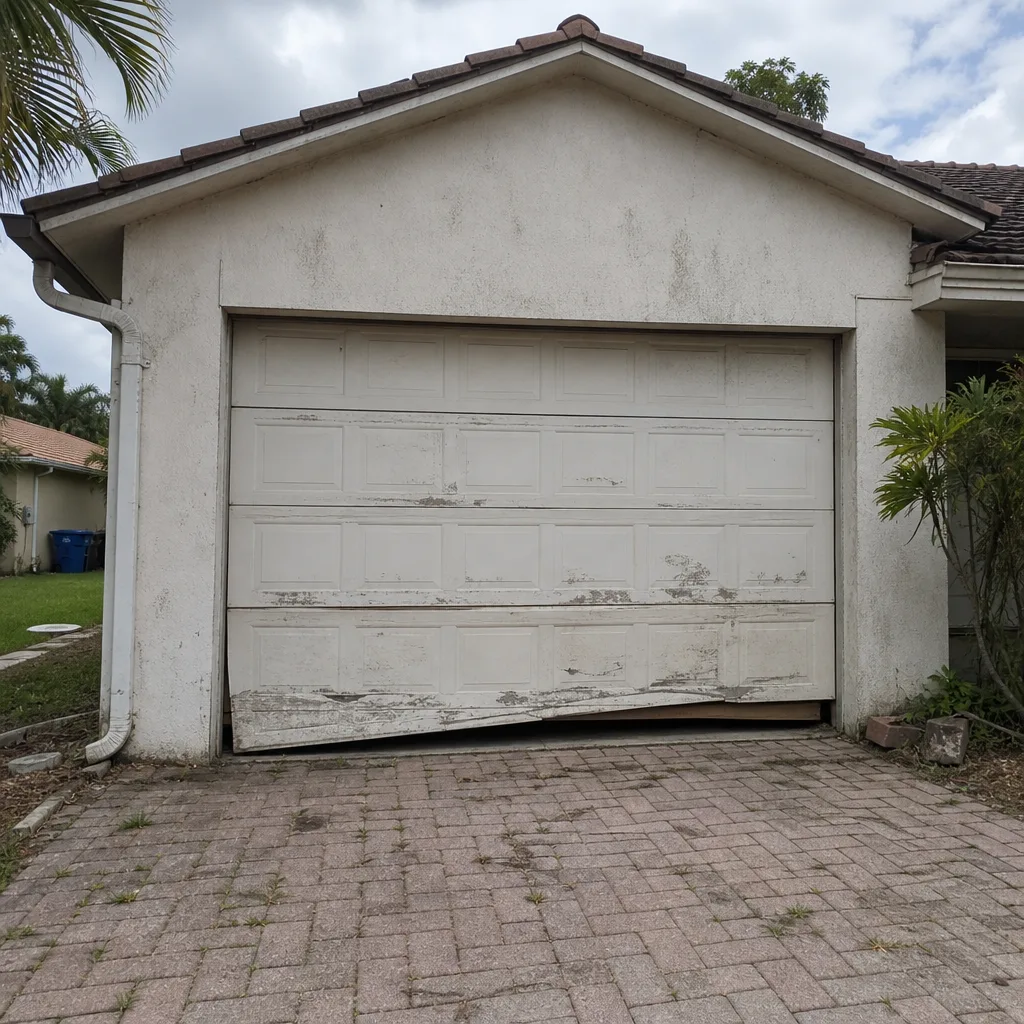 Before
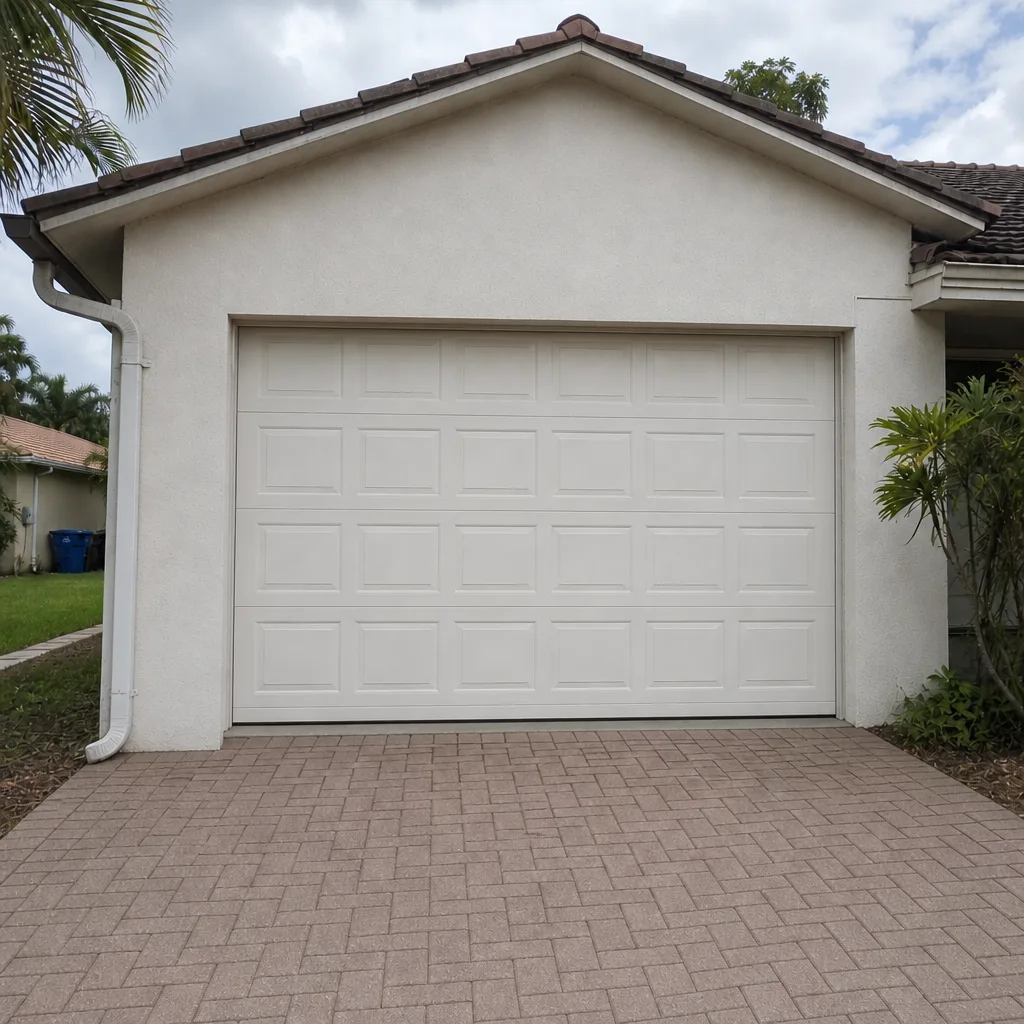 After
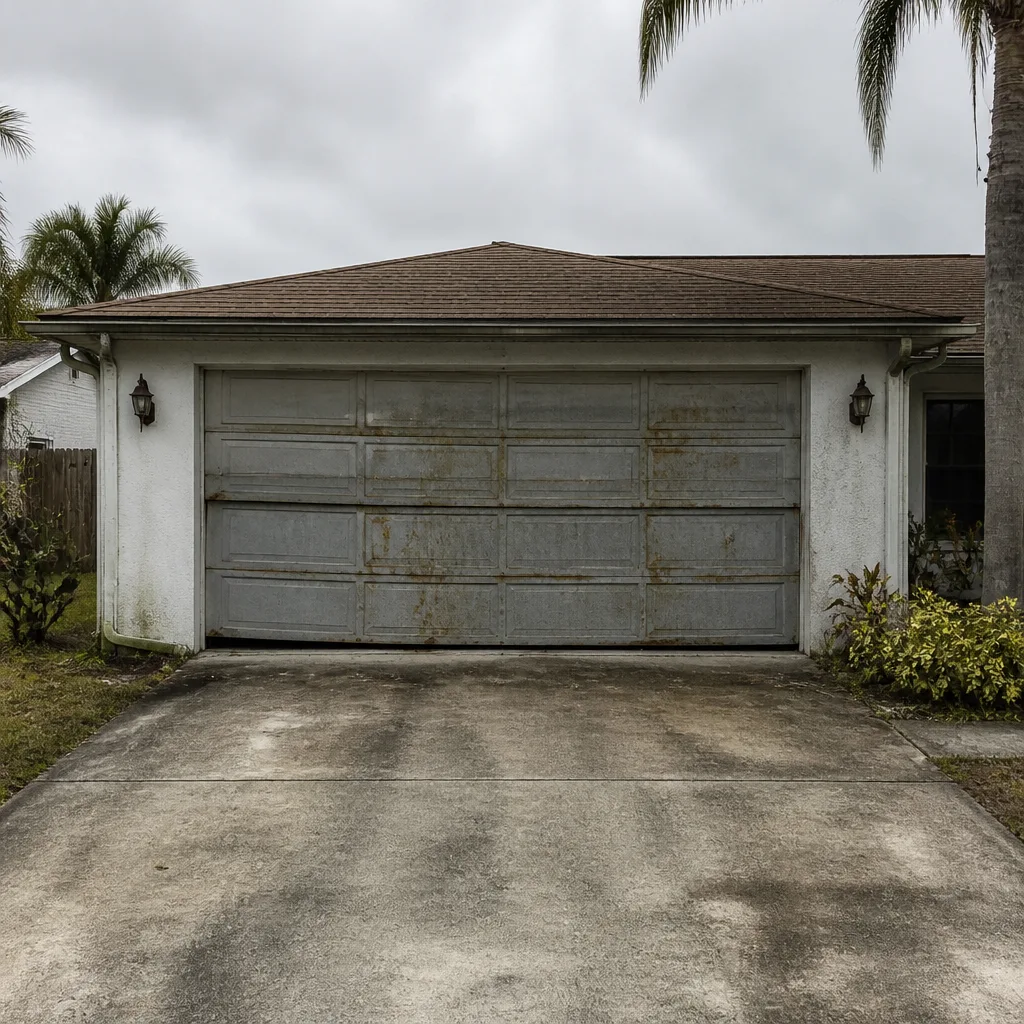 Before
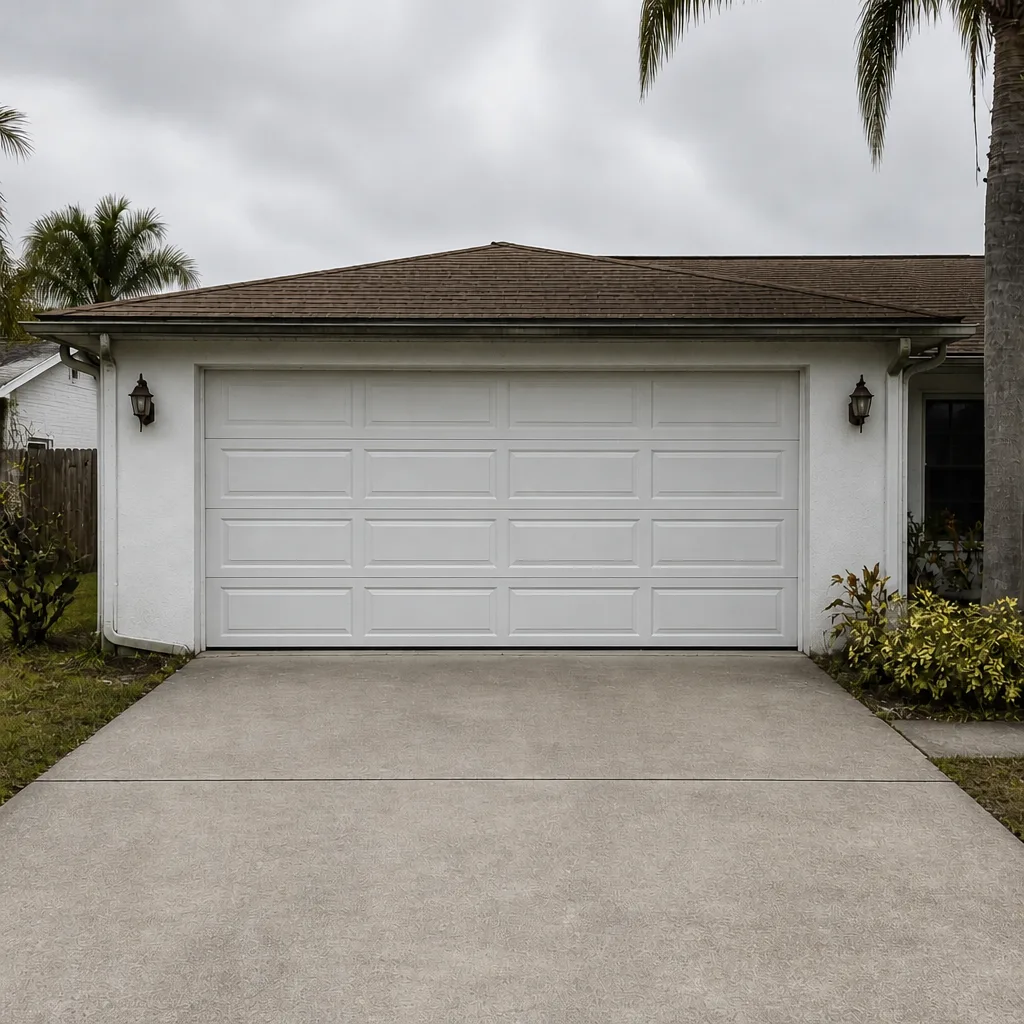 After
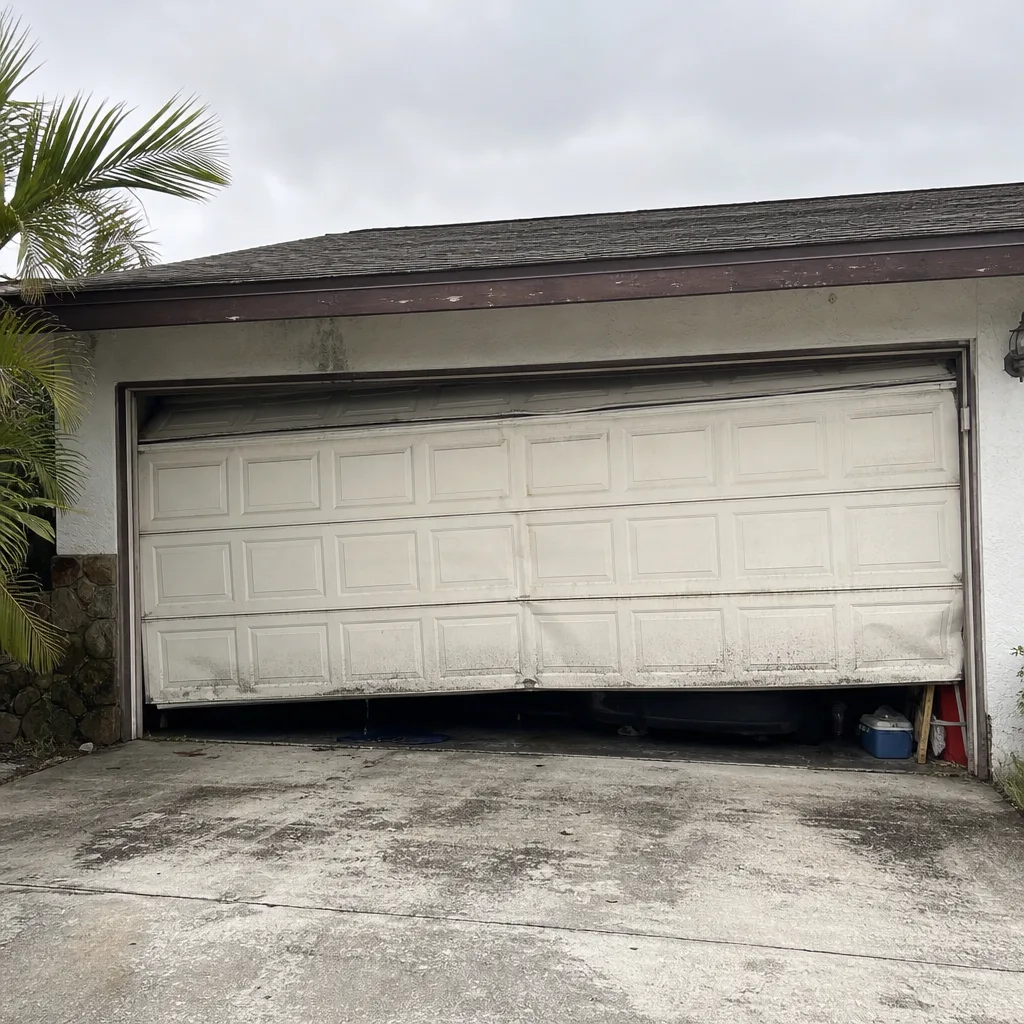 Before
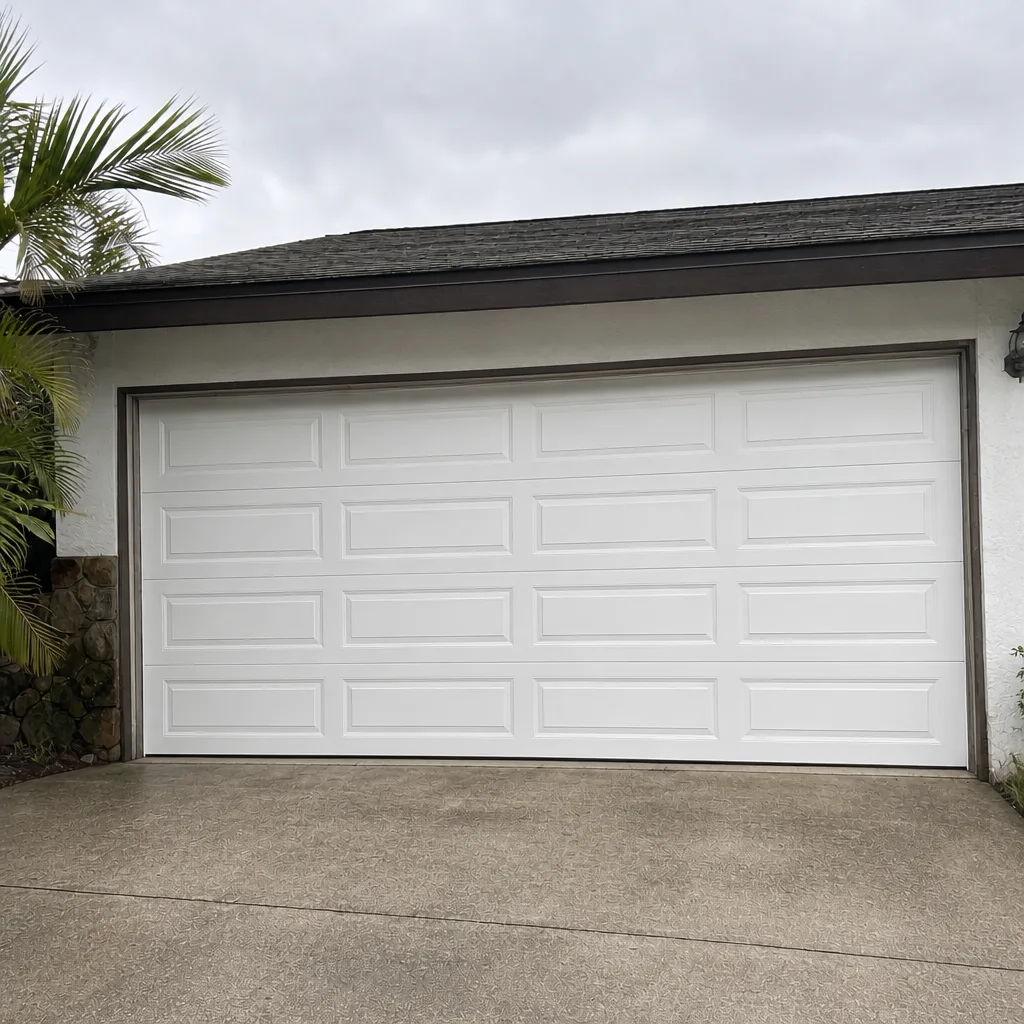 After
When to Call a Professional
Call a professional any time the door, the springs, the cables, the panels, or the electrical side of the opener is involved. Call today if the door won’t open or close, if you suspect a broken spring, if the door is off its track, if the opener reverses unexpectedly, or if the door has become noticeably harder to lift by hand. Those are all signs that the system needs a trained technician, not a YouTube tutorial. One call covers the door and the opener, so you’re not chasing down two different trades for one problem.
Coral Springs Garage Door Repair Co offers free estimates in Coral Springs – call (877) 510-2936. Our technicians have up to 14 years of experience, we work on the brand already in your garage, and the price is quoted and agreed before any work starts.
Frequently Asked Questions
No. Torsion and extension spring replacement carry serious injury risk from stored energy, and no amount of mechanical ability removes that risk without the right tools and training. Spring repair is a safety-critical job. Call a professional; our Coral Springs Garage Door Repair Co team handles spring repair as a dedicated service, and the price is quoted before any work starts.
Usually yes, in part. Manufacturer warranties on panels and openers typically exclude damage from improper installation, adjustment, or operation, and some parts warranties only apply through a licensed dealer. If your door is under warranty, read the coverage terms before you touch anything beyond the weather seal or lubrication. We can help you check warranty eligibility on a repair before it becomes a bigger job.
Often yes, depending on the work. A new door in a new opening, a door in a permitted remodel, or work affecting the wind-load rating usually involves a permit. The Coral Springs building department is the right office to confirm what your specific job requires. We can do the installation work; you’ll want to confirm the permit side directly with the city.
More than the original repair, usually. A typical spring repair runs $180 to $340 per spring. A DIY error that bends a panel or a track usually lands two to three times the original quote once the secondary damage is repaired. The original repair is the cheapest path every time.
Sometimes, with limits. If you’re swapping an opener on the same mount, same wiring, and same outlet, and the door is balanced, that’s typically permitted work. Adding a new circuit, a new outlet, or installing an opener on a new door usually requires a licensed professional and often a permit. If you’re not sure, call.
Twice a year at minimum, and after any major storm. The heat and humidity here wear on seals and lubricant faster than in cooler climates, and the wet season stresses the bottom seal especially. Annual professional inspection on top of that catches the problems before they become repairs. Call (877) 510-2936 for a free estimate if you want us to take a look.
The Bottom Line
The DIY-versus-pro line isn’t about your skill. It’s about which tasks carry stored-energy injury risk, which voids a manufacturer’s warranty, and which crosses into Florida Building Code requirements that follow the home after you sell it. Weather seals, lubrication, bolt tightening, remote pairing, and visual inspections are genuinely DIY-safe. Springs, cables, panels, track work, and electrical opener work are not. The math favors the professional on every job in the second list, because the original repair is always cheaper than the cascade of damage a DIY error causes. If you’re uncertain which side of the line your task falls on, call and we’ll tell you straight.
Ready to get an estimate? Coral Springs Garage Door Repair Co works on the brand already in your garage and services LiftMaster, Chamberlain, Genie, Clopay, Amarr, Wayne Dalton, Craftsman, and Raynor. Call (877) 510-2936 for a free estimate. We quote the price before any work starts, and we never sell you equipment your door doesn’t need.
Written by the team at Coral Springs Garage Door Repair Co.