Last updated November 22, 2026
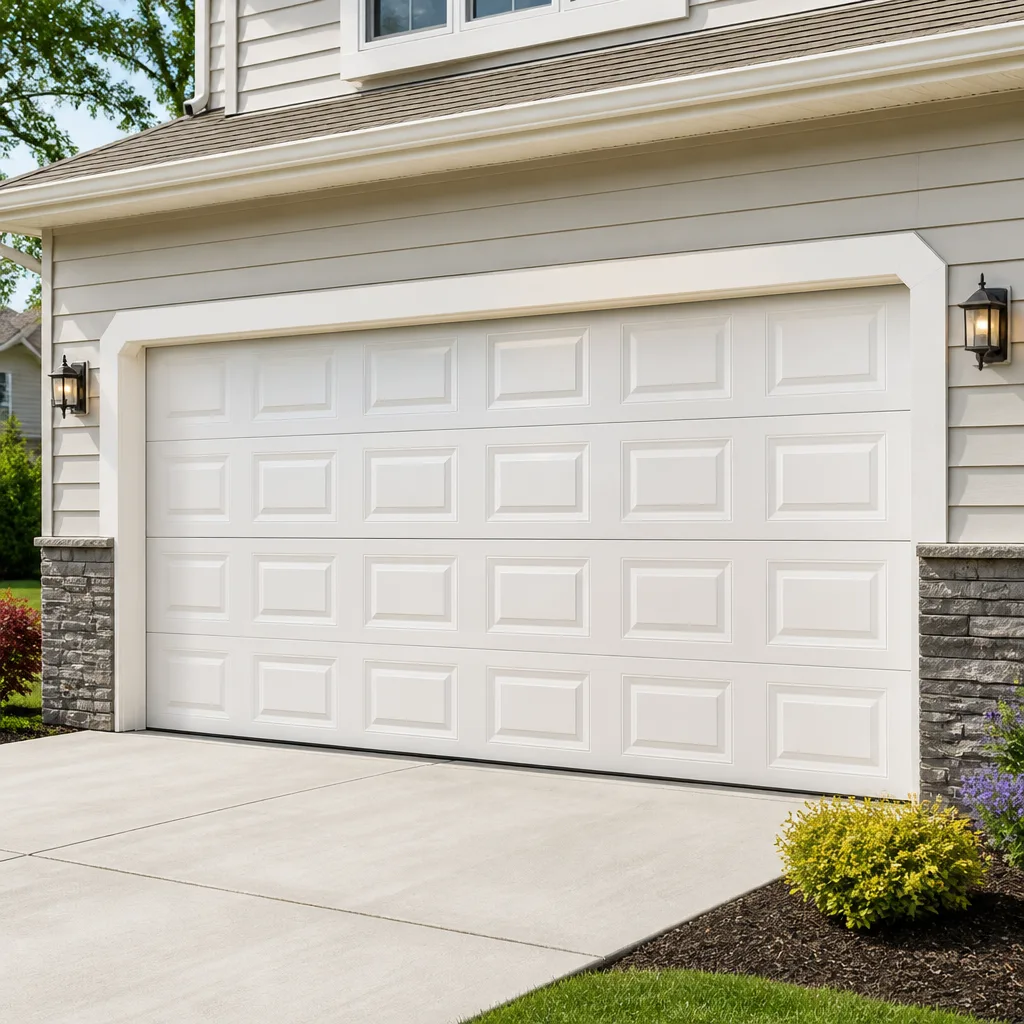 Raised-panel steel
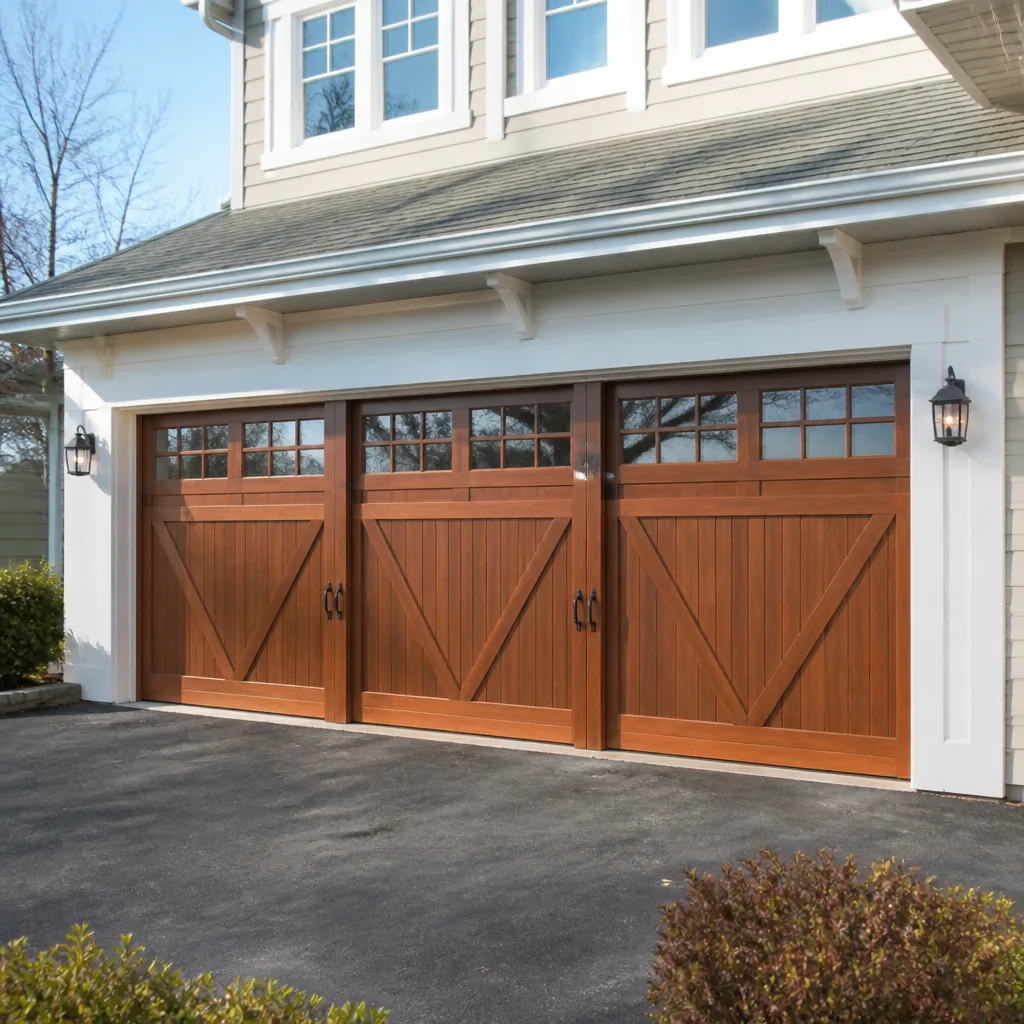 Carriage house
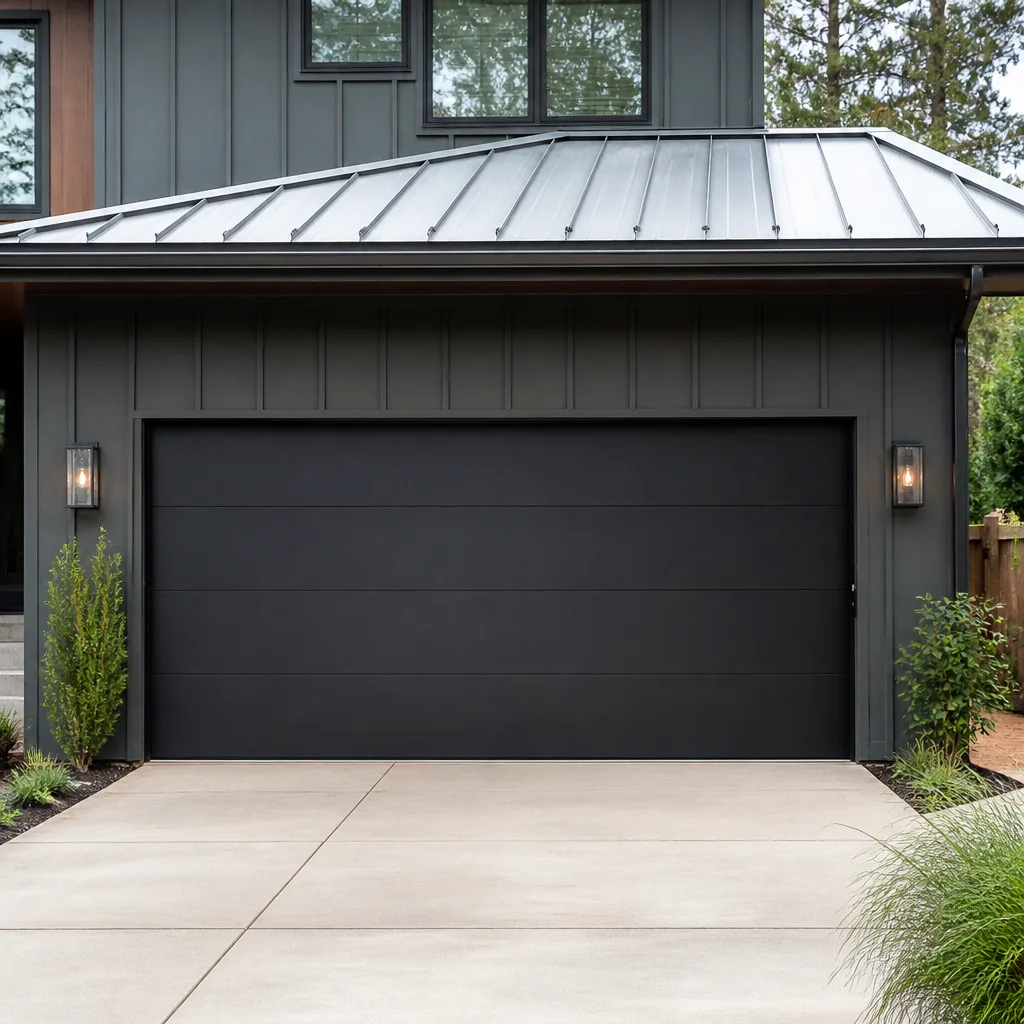 Modern flush
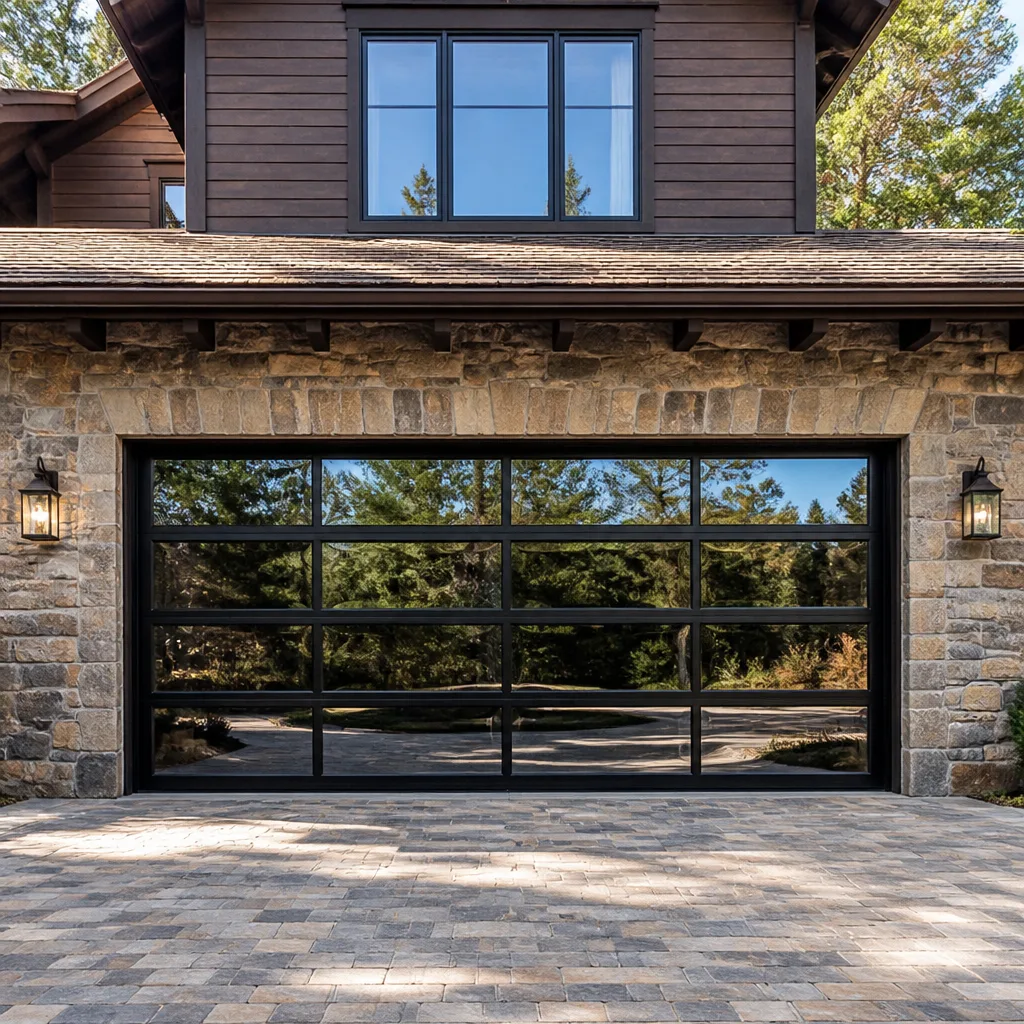 Full-view glass
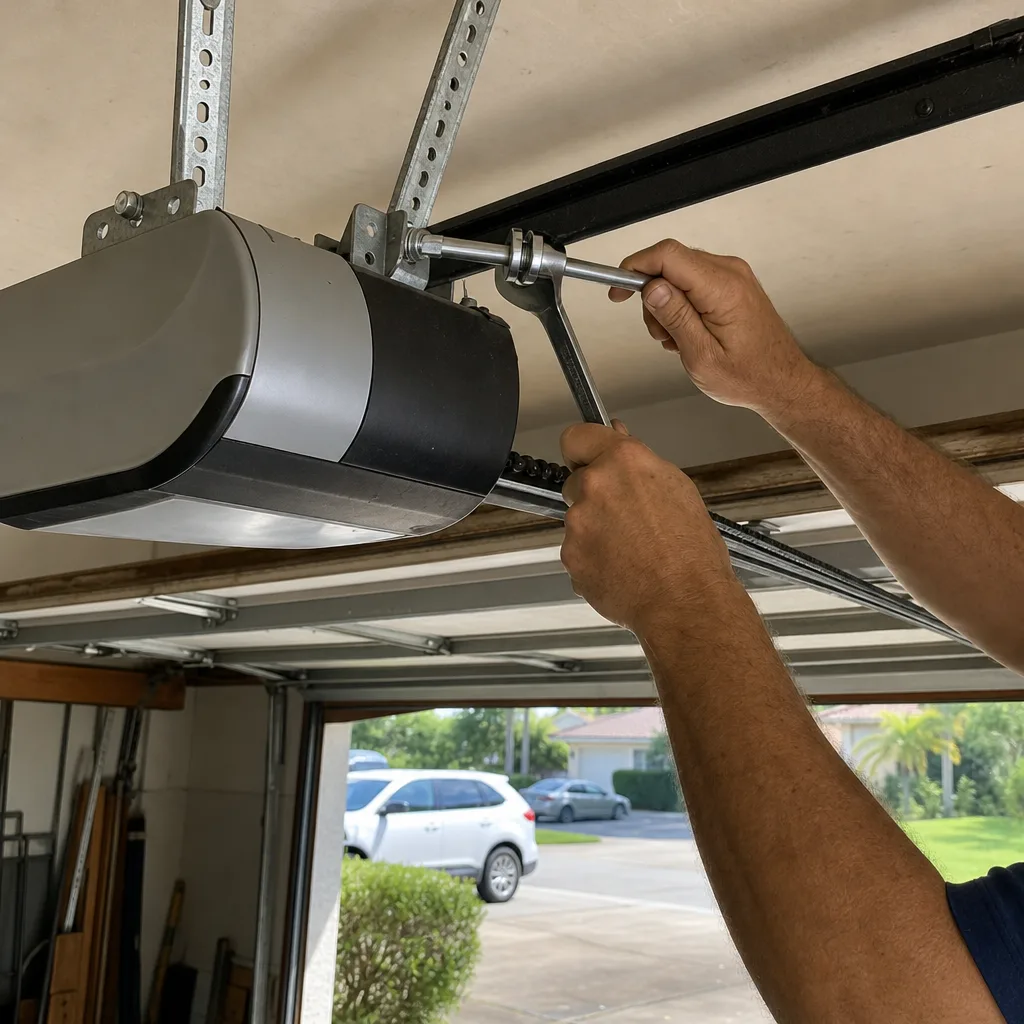
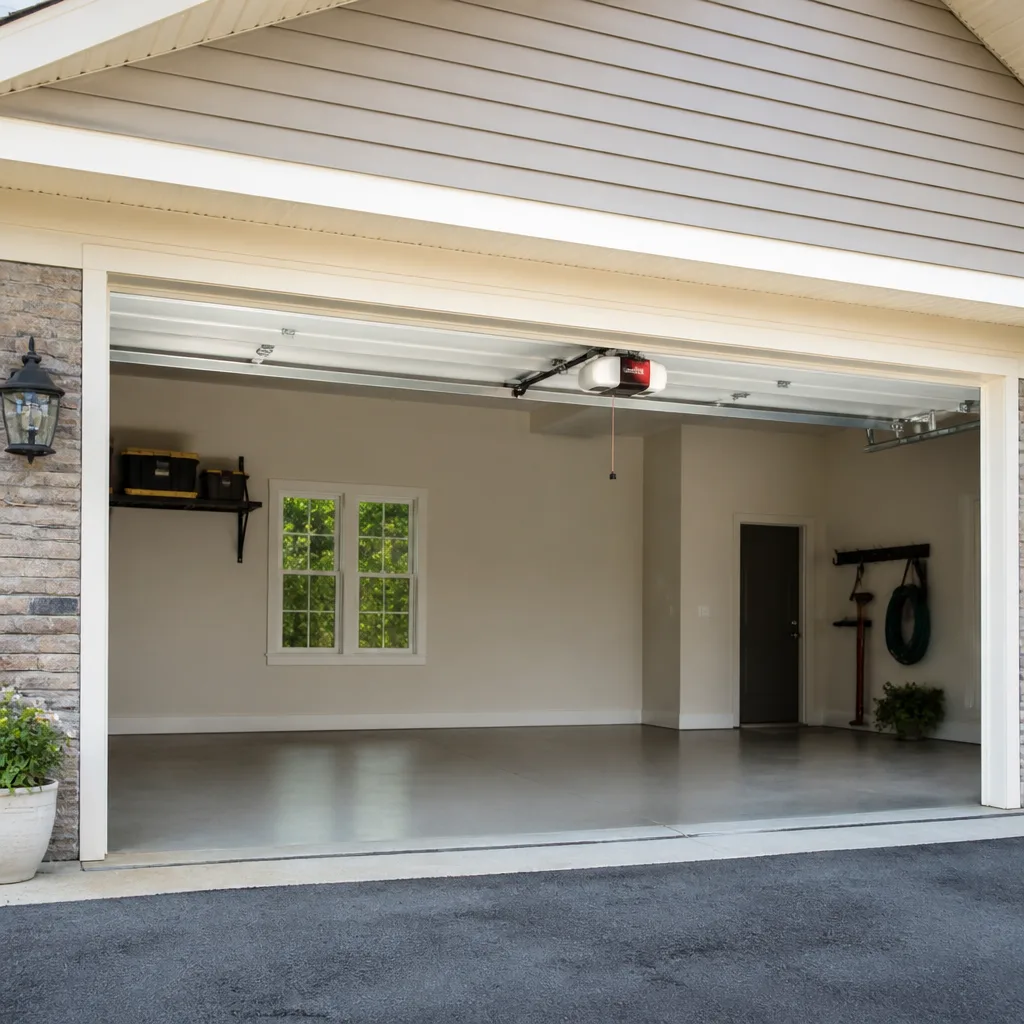 LiftMaster openers
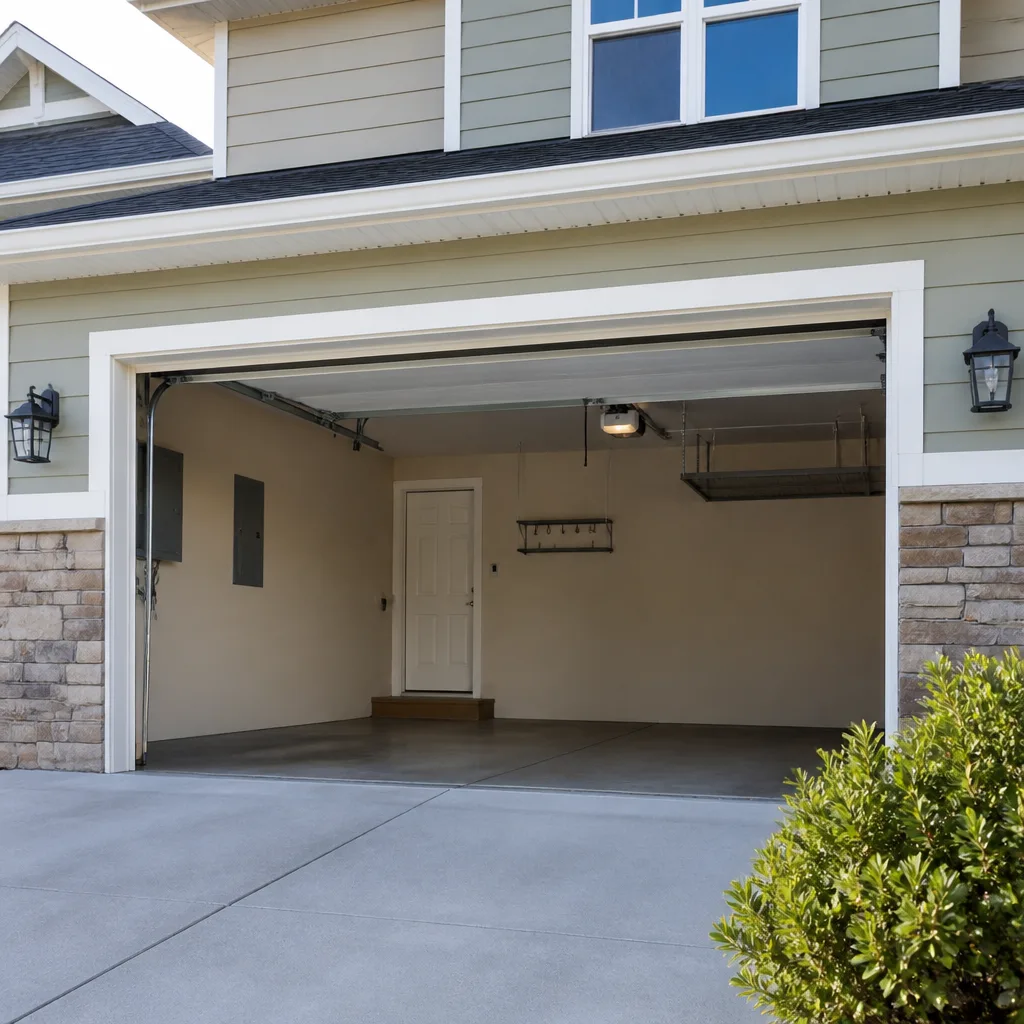 Chamberlain openers
Full 25-point door and opener safety check with every visit - springs, cables, rollers, tracks, and your LiftMaster or Chamberlain opener included
You get a price before we start. It does not change when the pro arrives.
Get your free estimateThe Complete Guide to Garage Doors in Coral Springs
Most garage door guides floating around online were written for places where rust and wind load aren’t the first two items on the spec sheet. That advice falls apart fast in Coral Springs. Here, the questions that actually matter are different: will this door meet the wind-load requirements that come with living next to Miami-Dade County, will the hardware survive year-round humidity, and will your HOA even approve the panel style you’re eyeing? This guide walks through all of it – materials, springs, openers, permits, HOA rules, and brand parts availability – so you can make a decision that holds up in a real Coral Springs garage, not a showroom in another climate.
Quick Answer
A garage door in Coral Springs has to do three jobs at once: hold up under South Florida humidity, meet the wind-load standards Broward County enforces, and match whatever your community’s HOA design rules call for. The right door and opener combination depends on whether your garage is a secondary storage space or your daily front door. In practice, most Coral Springs homeowners are best served by a wind-rated steel or aluminum door paired with a belt-drive opener, installed by someone who can pull the permit and document the rating for inspection.
Styles & brands we work with
- Raised-panel steel
- Carriage house
- Modern flush
- Full-view glass
- LiftMaster openers
- Chamberlain openers
Table of Contents
- Why Generic Garage Door Advice Fails in Coral Springs
- Wind-Load Ratings and What’s Code-Legal Here
- Material Performance: Steel vs. Aluminum vs. Composite
- Getting HOA Approval for a Garage Door Change
- Choosing an Opener When the Garage Is Your Front Door
- Brand Parts Availability and Faster Repairs
- Springs: The Most Important Repair You’ll Ever Schedule
- How Installation Actually Works Here
Why Generic Garage Door Advice Fails in Coral Springs
Coral Springs sits in Broward County, right on the doorstep of Miami-Dade’s stricter building culture, and that adjacency shapes almost every garage door decision you’ll make. National guides talk about insulation values for cold winters and lubrication schedules built around freezing temperatures. Neither applies much here. What does apply is moisture, wind, and community design standards.
Humidity is the constant. It works on hinges, rollers, and the bottom seal day after day, and it’s the reason a door that looks fine in a photo can be quietly rusting along its bottom panel. Wind is the seasonal pressure. And because so much of Coral Springs was built as master-planned communities, HOA design review is often the first hurdle, before the building department even enters the picture.
Here’s what that means in practice:
- Wind rating is a permit question, not a preference. A door that isn’t rated for the required design pressure won’t pass inspection, no matter how good it looks.
- Finish quality outranks panel thickness. In this climate, a well-coated door in a standard gauge outlasts a thicker door with a poor finish.
- Design review often comes first. Many Coral Springs HOAs require approval before you order, so the sequence matters.
If you understand those three realities, the rest of the decisions get simpler. When a door does fail – a snapped spring, a door stuck halfway – that’s the moment to call for garage door repair rather than guess at it.
Wind-Load Ratings and What’s Code-Legal Here
Garage doors in this part of Broward County are treated as a structural opening, and they have to meet a wind-load rating tied to the home’s location and construction. Coral Springs sits adjacent to the Miami-Dade high-velocity zone, and while the exact requirements fall under Broward County’s building department rather than ours to interpret, the practical takeaway is simple: your replacement door needs a documented wind rating, and the installation has to match it. The best way to confirm what applies to your address is to call the City of Coral Springs building department or check with a licensed installer before ordering.
What homeowners usually want to know:
- Does every replacement need a permit? In most cases yes, because the door is rated as a structural component. Ask the building department for your address to be sure.
- What does the rating actually measure? The design pressure the door and its reinforcement hardware are tested to withstand – not just the door skin, but the tracks, hinges, and anchors.
- Can you reuse the old tracks? Usually not advisable on a wind-rated replacement. The anchoring and gauge of the new tracks are part of the rated assembly.
This is why a garage door replacement handled as a box-store purchase can go sideways. The door may be fine. The anchoring system may not match the rating. Pulling a permit with the manufacturer’s documentation in hand keeps the inspection clean and keeps you legal.
What to have ready before you order
- Your address, so the wind-load requirement can be confirmed.
- The door’s product approval documentation from the manufacturer.
- A written installation method that matches the approval.
- HOA design approval, if your community requires it.
Material Performance: Steel vs. Aluminum vs. Composite
Material choice in Coral Springs comes down to how each option handles humidity, dents, and heat. Steel dominates the residential market for good reason – it’s strong, it’s available in wind-rated ratings, and modern factory finishes hold up well when they’re maintained. Aluminum solves the weight problem and resists corrosion, which makes it a strong pick for humid climates, though it dents more easily. Composite and wood-look materials offer the best appearance flexibility, but they demand more attention to finish and are typically heavier, which raises the hardware demands.
A practical comparison:
- Steel: Best all-around. Wind-rated options are common, finishes are durable, and repair parts are easy to source. Watch the bottom panel for rust and touch up any scratches early.
- Aluminum: Excellent humidity resistance and lighter operation. Great for large openings and single-car doors. Softer surface means dents from a stray ball or ladder are more visible.
- Composite: Genuine wood appearance without the rot risk. Higher cost, heavier, and worth pairing with a properly sized torsion system and a strong opener.
Whatever you choose, finish quality is the local variable that matters most. Factory-applied finishes with a good warranty hold up far better than field-painted surfaces, and touch-up paint on scratches is one of the cheapest maintenance habits you can build. If your existing door is fine but rusting along the bottom, that’s a garage door repair conversation before it becomes a replacement one – replacing a bottom section is often the right call for an otherwise healthy door.
Getting HOA Approval for a Garage Door Change
Much of Coral Springs was developed as master-planned communities, and many of those neighborhoods have design review requirements that cover garage door style, color, window inserts, and hardware. Skipping the approval step is the most common mistake we hear about, and it’s expensive to unwind. Do the review first, then order.
The process usually looks like this:
- Request the design guidelines. Your HOA or community association will have a document listing approved colors and door styles.
- Pick a door within the guidelines. Most manufacturers – Clopay and Amarr both publish color and style catalogs that map well to HOA rules – offer options that fit.
- Submit product cut sheets and a color sample. Design review boards want documentation, not just a photo.
- Get written approval before ordering. Verbal approvals don’t protect you if a neighbor complains later.
- Keep the approval with your permit paperwork. Both may need to be on hand at inspection.
If your community’s rules aren’t clear, ask the board for the specific approved style list. It saves weeks of back-and-forth. If your current door is failing and you need a fix while you sort out design review, a garage door repair call can handle the safety issue separately from the cosmetic change.
Choosing an Opener When the Garage Is Your Front Door
In a lot of Coral Springs homes, the garage is the primary entry point. That changes the opener calculation. A door that runs a dozen times a day needs a heavier-duty opener than one used twice. And in a storm-prone area, an opener’s battery backup and manual release become practical features, not nice-to-haves – if the power goes out, you still need to get the door up and the car out.
Here’s what we recommend starting with:
- Belt drive over chain: Quieter, less vibration, and it doesn’t disturb a bedroom above the garage.
- Battery backup: Look for a model that can operate the door a handful of times without power. LiftMaster and Chamberlain both offer this on common residential models, and Genie carries it on several lines.
- Integrated myQ or app control: Useful for checking whether the door is closed when you’re away, and for letting someone in without sharing a remote.
- Safety sensors: Required, and worth testing monthly. The two small photo-eye sensors at the base of the tracks should reverse the door on contact. If they don’t, stop using the opener until it’s fixed.
When an opener starts reversing for no reason, clicking, or simply stops responding, a garage door opener repair visit is usually faster than guessing. Most opener issues are solvable – board failure, gear wear, sensor misalignment, a remote that needs re-pairing – and replacing the opener is the last resort, not the first.
Brand Parts Availability and Faster Repairs
Parts availability is the quiet driver of repair speed. A door or opener built on a widely distributed platform has a technician able to source common parts quickly. A less common brand can mean waiting on an order, and a door that won’t close can’t wait. The brands we service – LiftMaster, Chamberlain, Genie, Clopay, Amarr, Wayne Dalton, Craftsman, and Raynor – cover the large majority of residential systems already installed in Coral Springs garages. If the brand in your garage is on that list, we can usually get you moving without an equipment swap.
What that means for repair speed:
- Opener platforms: LiftMaster, Chamberlain, Genie, and Craftsman share so much common hardware that many failures are a same-visit fix.
- Door systems: Clopay, Amarr, Wayne Dalton, and Raynor panels and hardware are widely available, so section replacements and hinge swaps are usually straightforward.
- Mixed systems: A Clopay door with a LiftMaster opener is a normal combination. Both sides of the system can be serviced by one technician.
The practical benefit is fewer return visits. When both the door and the opener are covered by the same team, a diagnosis on the door doesn’t turn into a second appointment for the operator. That’s the reasoning behind the way we work: one call covers the door and the opener.
Springs: The Most Important Repair You’ll Ever Schedule
Garage door springs hold the entire weight of the door, and when one fails, it’s a safety event, not an inconvenience. A torsion spring under tension can cause serious injury, and the majority of spring failures happen without warning. We treat spring work with the seriousness it deserves, and we don’t walk homeowners through replacing them. Instead, here’s what you should know and check.
- Two spring types: Torsion springs mount above the door on a shaft; extension springs run along the horizontal tracks. Both store energy and both fail eventually.
- Signs of wear: A thin gap in a coil, a door that feels heavier than usual, uneven lifting, a loud bang from the garage, or a door that opens a few inches and stops.
- What to never do: Don’t try to lift a door with a broken spring by hand, and don’t attempt to wind or unwind a torsion spring. Both are genuinely dangerous.
If you suspect a spring failure, stop using the door and leave it in its current position. Then call for garage door spring repair. A trained technician will assess the spring system, replace the failed spring or pair, and reset the door’s balance. Springs on cars that run their doors daily tend to wear out faster than the schedules on the box suggest, so keeping an eye on the door is more useful than counting cycles. Our technicians have up to 14 years of experience with this kind of work.
What a spring service visit involves
- Assess the door’s weight and balance with the door in manual mode.
- Inspect both springs, their anchor points, and the cables.
- Replace the failed spring or replace the matched pair together when they’re the same age.
- Re-tension and re-test the balance and the opener’s travel limits.
How Installation Actually Works Here
A garage door installation in Coral Springs moves through a specific sequence, driven by the wind-load and HOA requirements we covered earlier. This is not a same-day, drive-up-and-hang job. It’s a measured, ordered, scheduled project, and the front end of the process is often the most important part.
- Measure and confirm rating. The opening is measured and the wind-load requirement for your address confirmed with the building department.
- Select the door and hardware. Door style, color, window options, and the rated track and anchoring system are finalized together, with HOA approval documentation in hand if needed.
- Order and permit. The door, tracks, and hardware are ordered and the permit is pulled.
- Remove and install. The old door and tracks come down, the new rated assembly goes up, and springs are set and balanced.
- Test and inspect. The opener is calibrated, safety sensors tested, and the inspection is scheduled.
The full cycle from measurement to final inspection typically runs weeks rather than days, because of ordering and permitting. If your current door is failing while you wait, a garage door repair visit can stabilize it in the meantime. When you’re ready to talk about a new door, requesting a free measure and a written price is the right first step.
For the whole picture of what we cover – repair through replacement – you can always start at Coral Springs Garage Door Repair Co.
Common Mistakes to Avoid
- Ordering a door before checking the wind-load requirement. A door that isn’t rated for your address won’t pass inspection. Confirm the requirement with the building department first.
- Skipping HOA design review. Many Coral Springs communities have a formal approval step, and reversing an unapproved door is far more expensive than submitting the form.
- Replacing a single spring when the pair is the same age. Matched springs wear together. Replacing one leaves the older spring prone to failure soon after.
- Ignoring a rusted bottom panel. In South Florida humidity, small surface rust spreads fast along the bottom seal. Treat it early or the panel will need replacement.
- Assuming the opener needs replacement. Most opener problems are sensor alignment, gear wear, or a remote issue. Diagnosis comes first, not a new unit.
- Buying from a box store without an installer lined up. The door and rated hardware have to match, and the anchor method matters. Coordinate both halves of the purchase.
- Overlooking battery backup. When the power drops in a storm, an opener without battery backup leaves you without vehicle access. It’s worth specifying on a replacement.
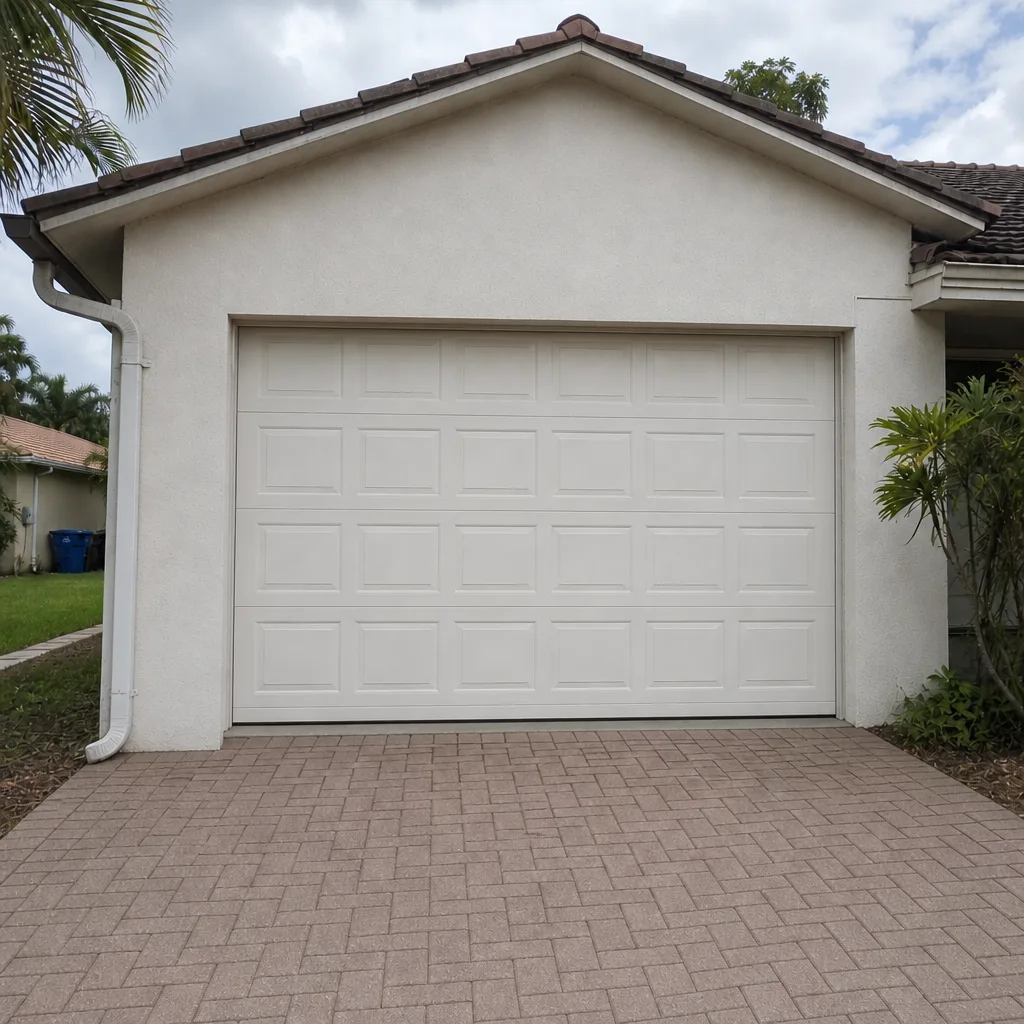
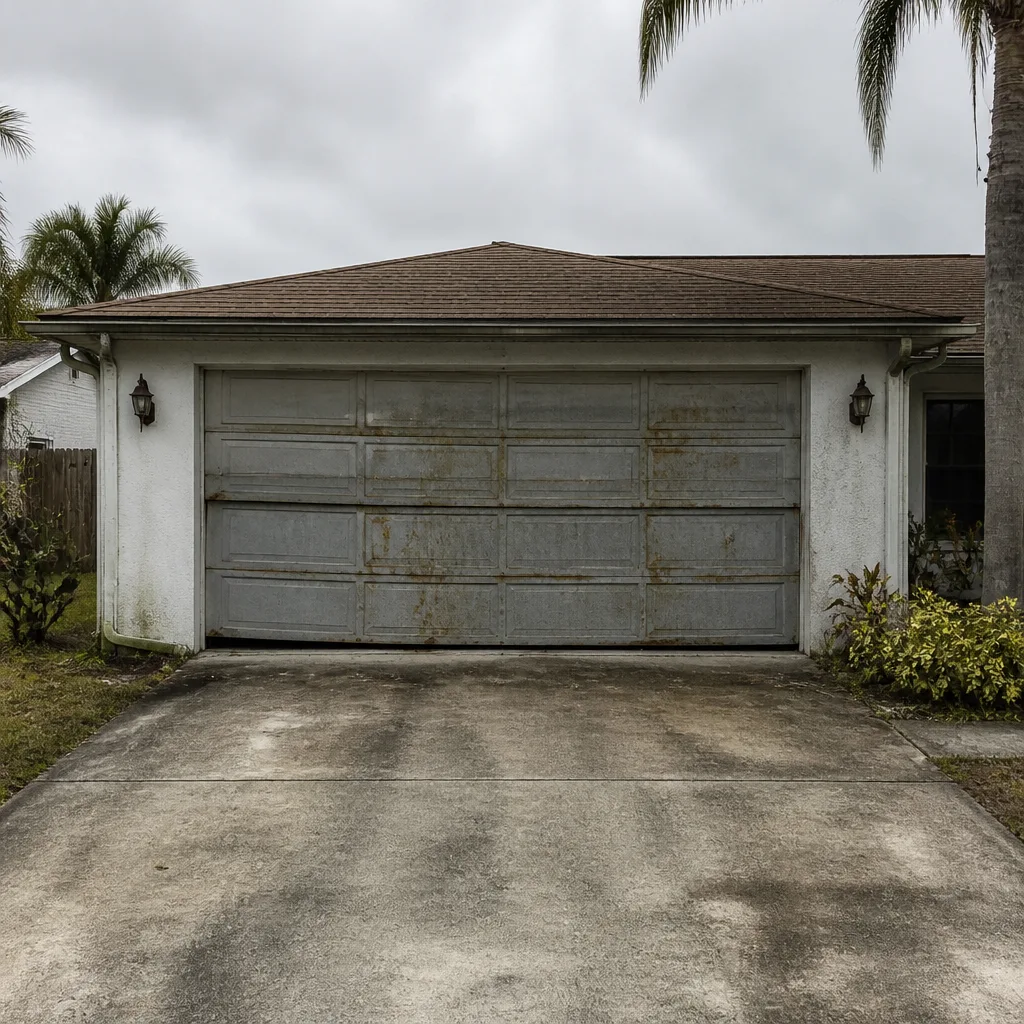
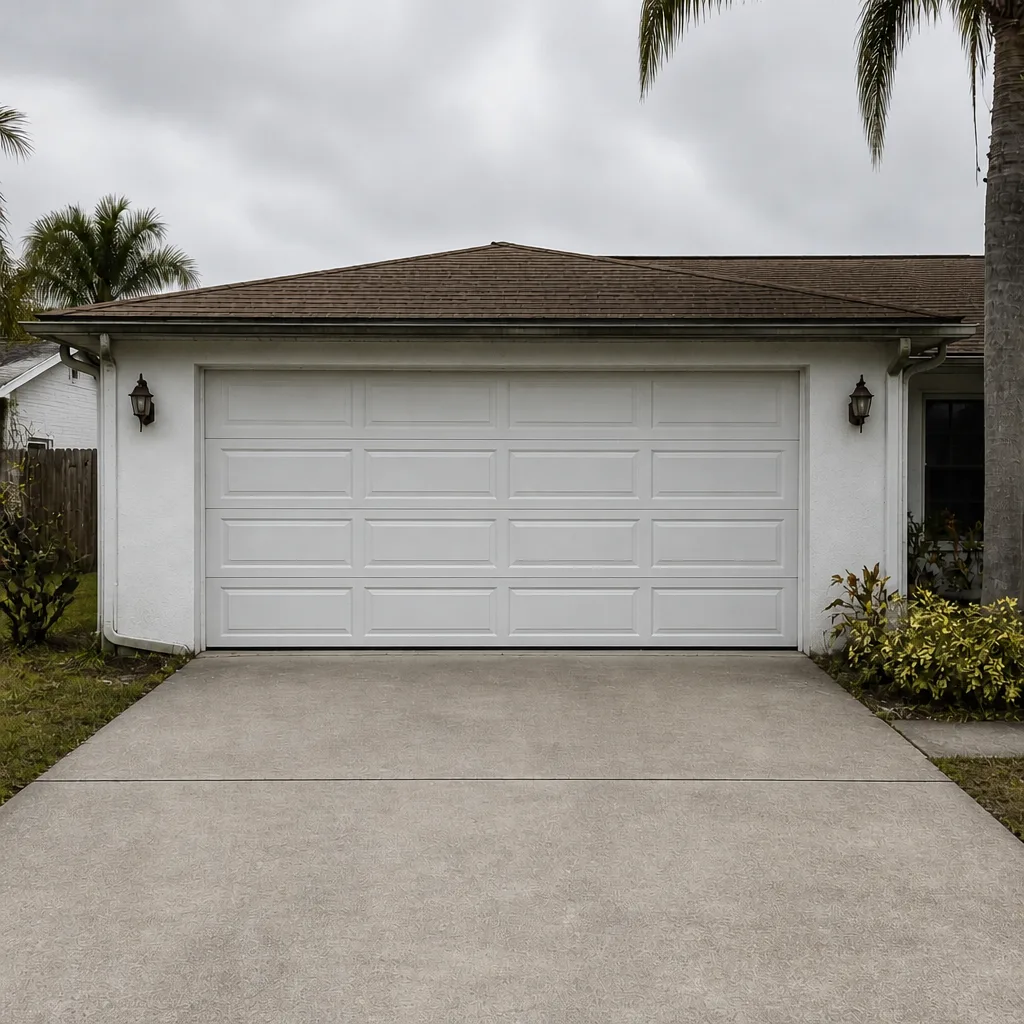
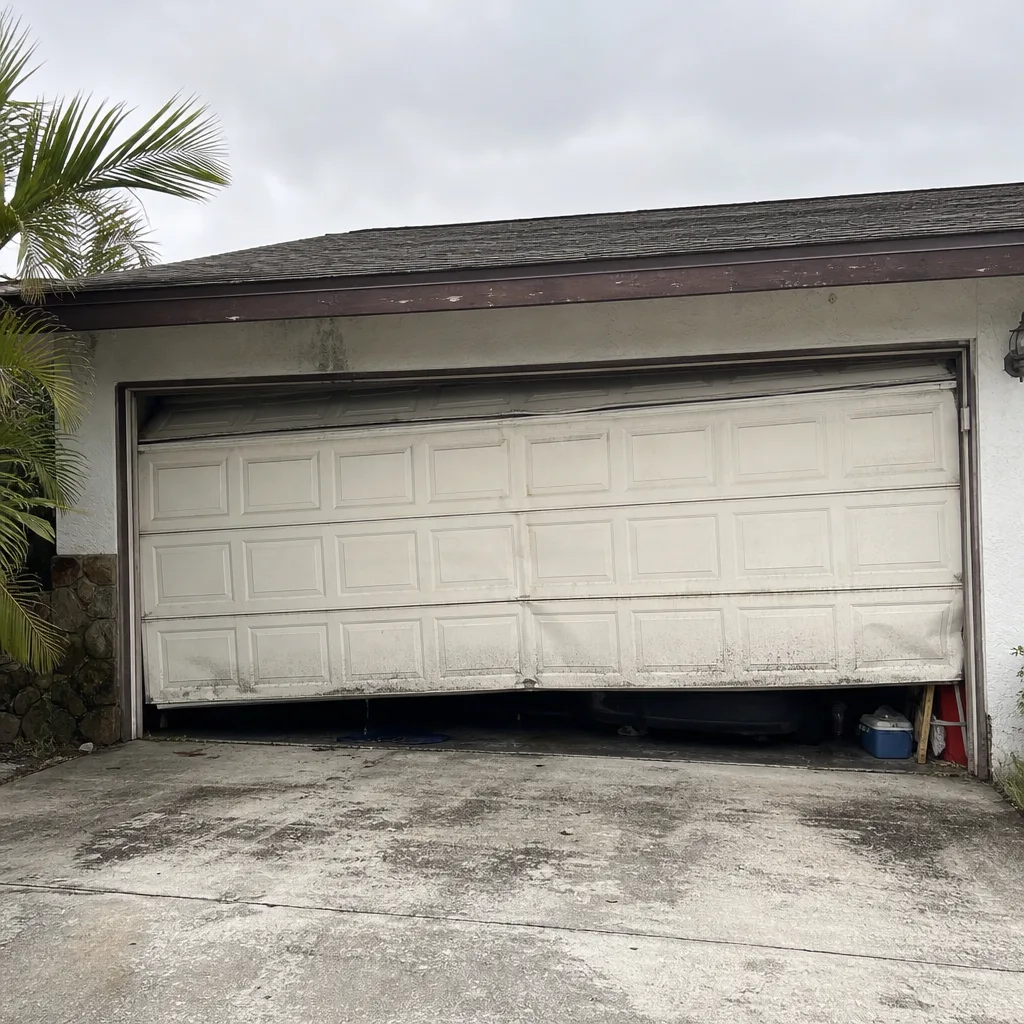
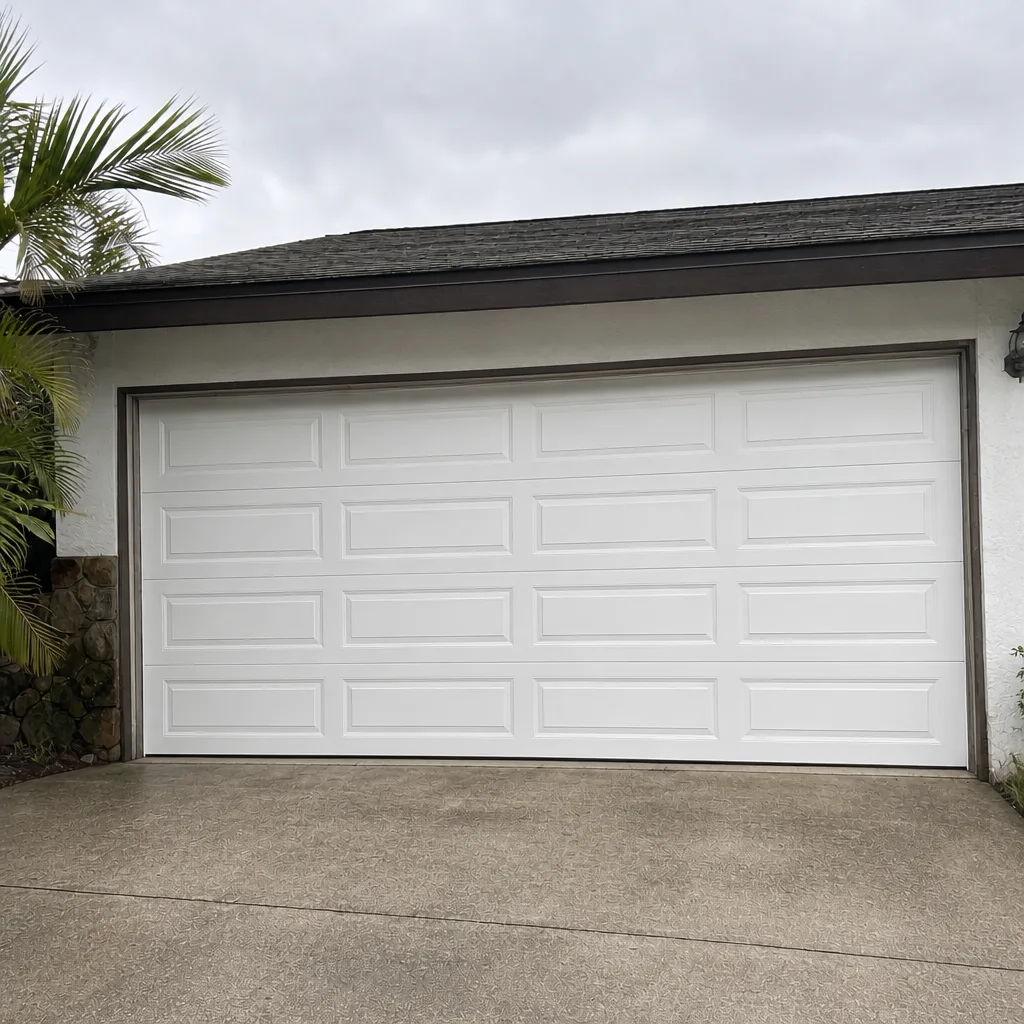
See the difference
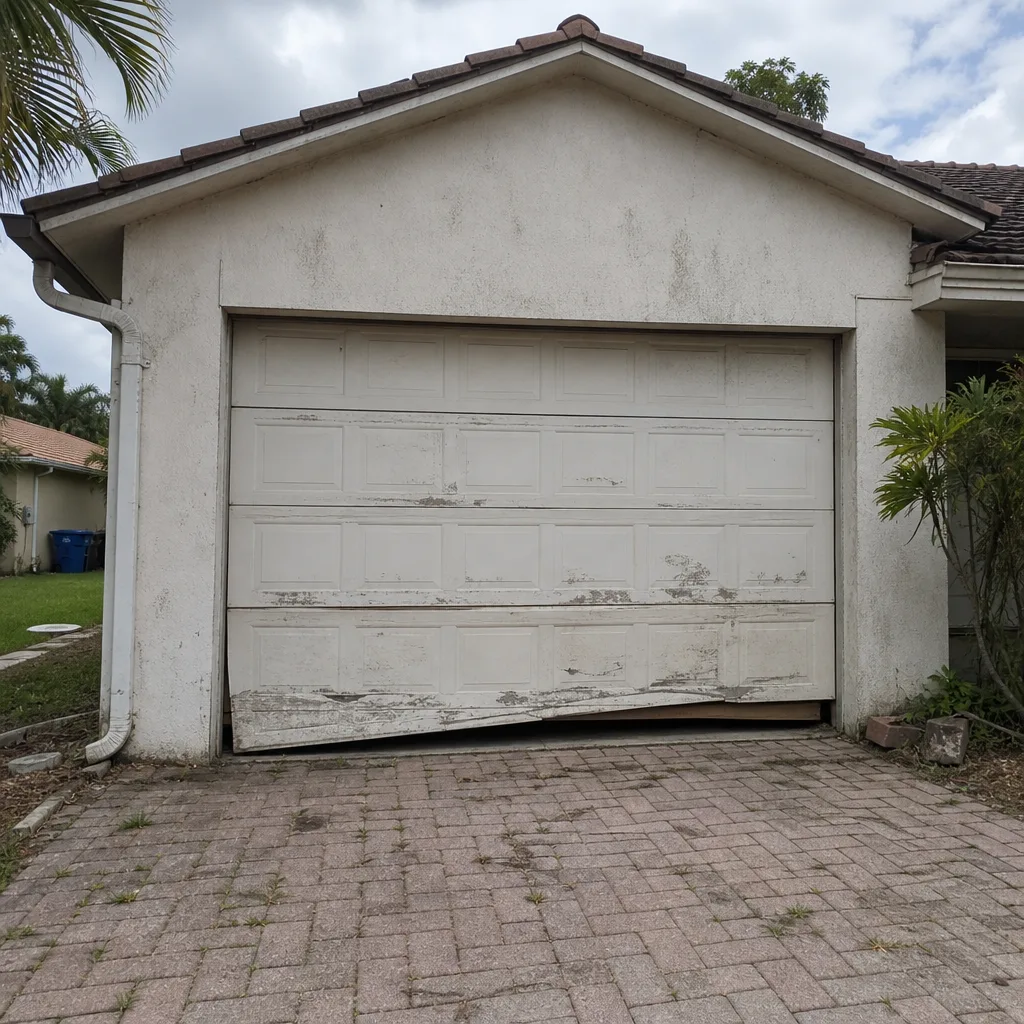 Before
 After
 Before
 After
 Before
 After
When to Call a Professional
Some garage door issues are safe to sort out yourself: a remote that needs re-pairing, a lubricated hinge, a sensor that needs realignment after a bump. Others are not, and getting them wrong can hurt someone. Call a professional when you see a broken spring, hear a sharp snap from the torsion shaft, notice a door lifting unevenly, or find that the cable has come loose from its drum. Call for an opener that reverses unpredictably, a motor that runs without moving the door, or a wall control that stops responding. Call when the door is stuck open and can’t be secured, or stuck shut and blocking your car. Coral Springs Garage Door Repair Co offers free estimates in Coral Springs – call (877) 510-2936, and the price is quoted and agreed before any work begins.
Frequently Asked Questions
In most cases yes, because a garage door is rated as a structural opening in this part of Broward County. The safest step is to contact the City of Coral Springs building department with your address and confirm the wind-load requirement before ordering, and to make sure the installer pulls the permit.
Not necessarily, if the finish is intact. Factory-applied finishes on modern steel doors resist moisture well. The risk is scratches and bottom-panel wear, so touch up any bare metal early and keep the bottom seal in good contact with the floor. Aluminum and composite options resist corrosion differently, and both are worth considering if rust has been an issue on your current door.
LiftMaster, Chamberlain, Genie, Clopay, Amarr, Wayne Dalton, Craftsman, and Raynor all have strong parts availability for the common residential models. We service those brands, so if yours is on the list, a repair is usually a same-visit fix rather than a waiting-on-parts situation.
Very often yes. Many Coral Springs communities are master-planned and run a formal design review. Ask your association for the approved style and color list, submit the product cut sheets, and get written approval before ordering. Keep that approval with your permit paperwork.
Stop using the door, leave it in its current position, and don’t try to lift it by hand or adjust the spring yourself. Call for a professional spring repair. Torsion springs under load are genuinely dangerous, and this is not a repair to attempt without the right tools and experience.
Usually yes. We handle both the door system – panels, springs, tracks, hardware – and the opener, which means a single appointment can address both halves. Call (877) 510-2936 for an exact quote, and estimates are free.
The Bottom Line
Garage doors in Coral Springs have to satisfy three things at once: humidity, wind-load code, and community design rules. Material choice matters most in finish quality and finish maintenance, not thickness. Wind ratings and permits come before shopping. HOA review comes before ordering. Spring work is a safety matter, and an opener with battery backup pays for itself when the power drops. If you’d like help sorting out any part of your door – repair, replacement, opener, or spring service – call Coral Springs Garage Door Repair Co at (877) 510-2936 for a free estimate.
Written by the team at Coral Springs Garage Door Repair Co.